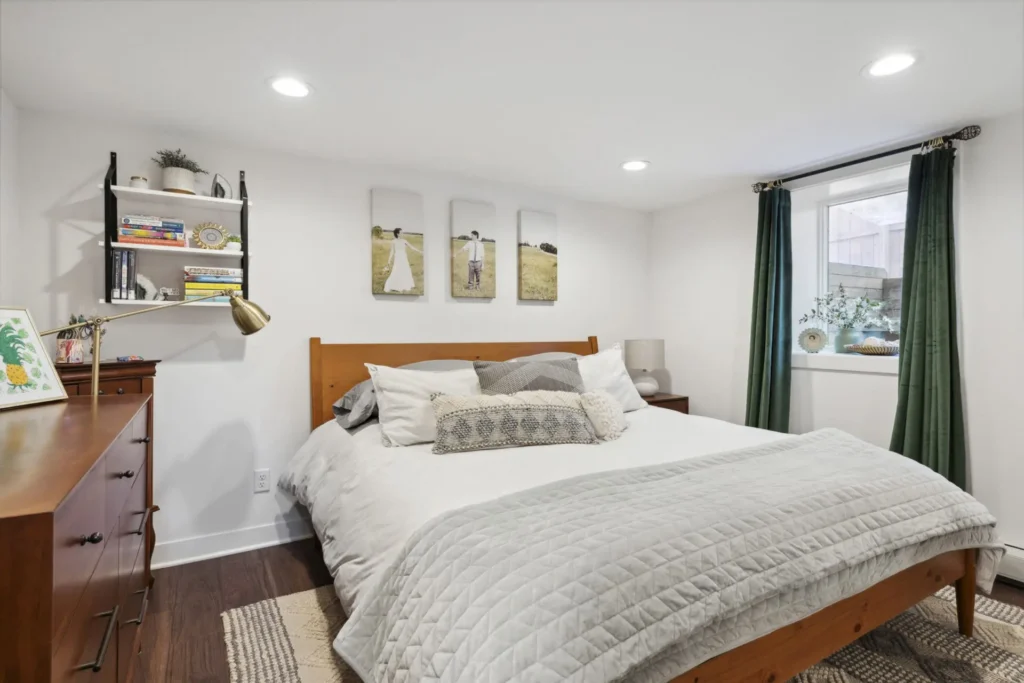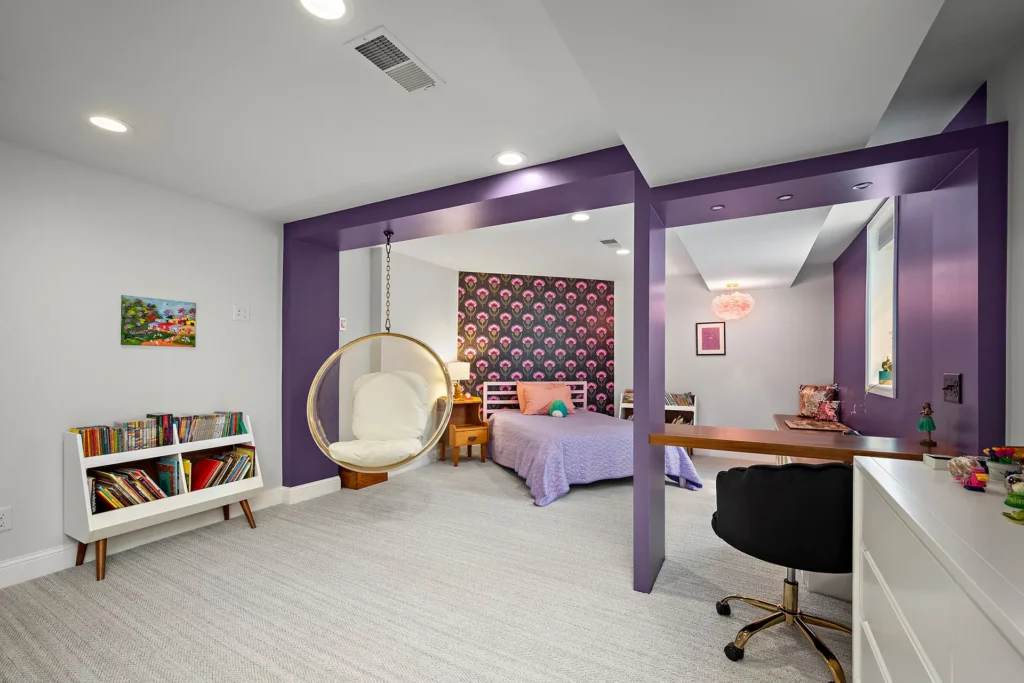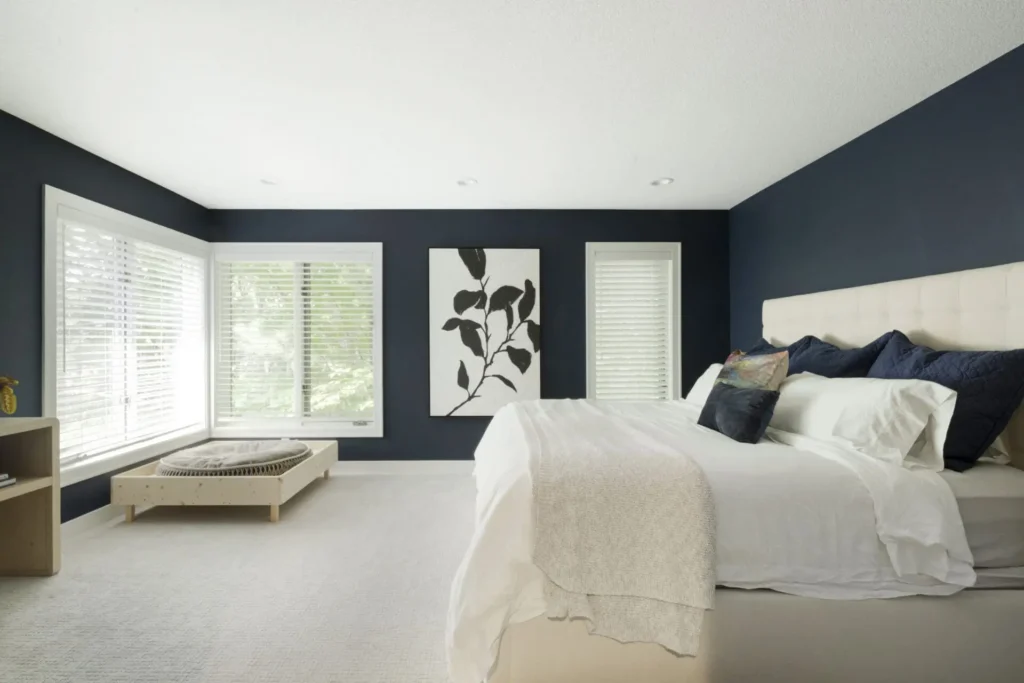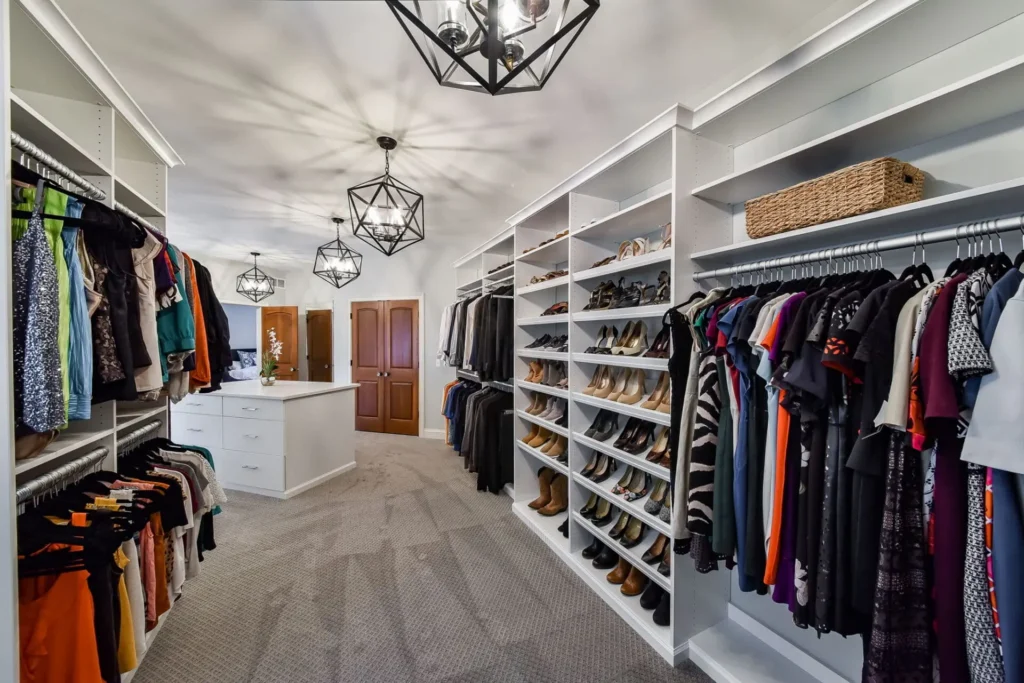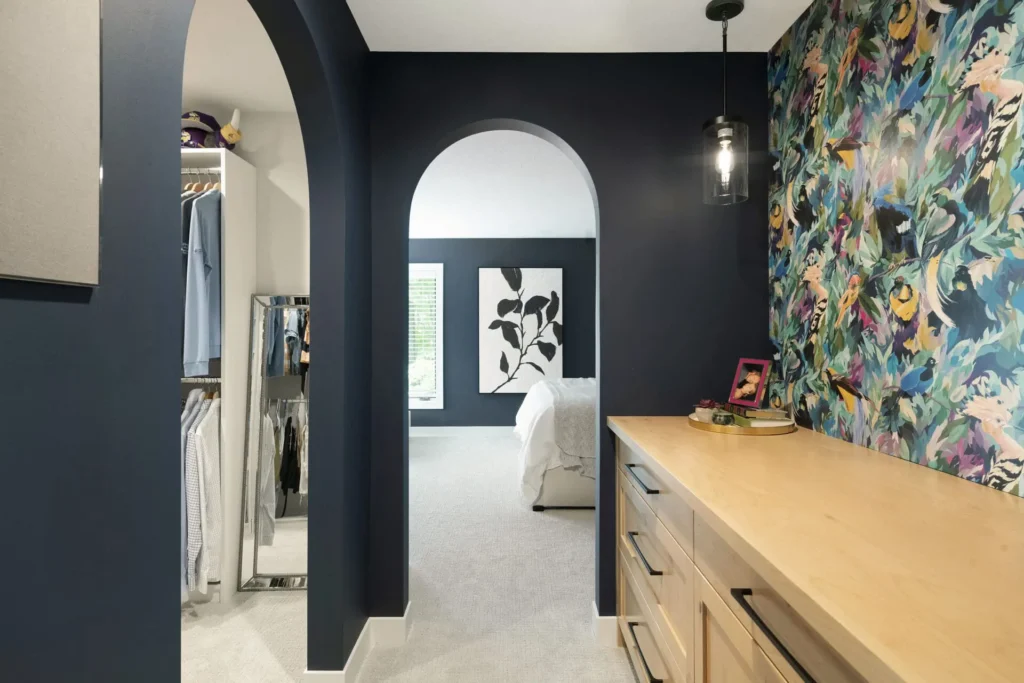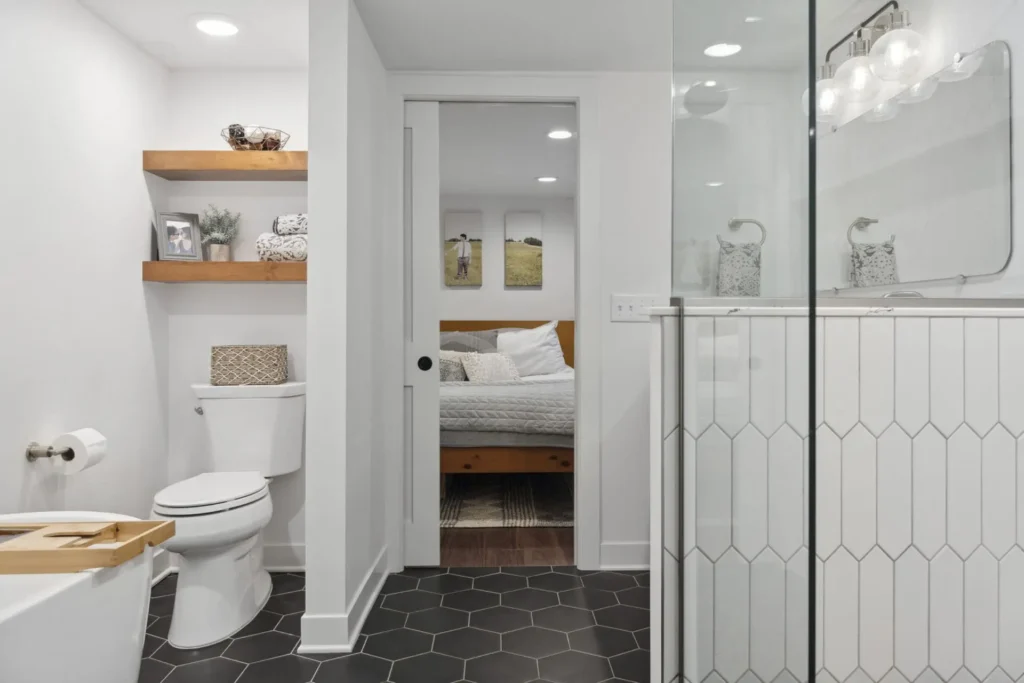
At FBC Remodel, we understand that renovating an older or historic home is a different project altogether. It requires a balance of respecting a property’s architectural legacy and expertly integrating modern, luxury living.
For homes in local historic districts or those with landmark designation, the process can be complex—involving special permits, unique design reviews, and adherence to specific preservation guidelines. This complexity is our specialty. We provide the expertise needed to navigate these unique challenges, ensuring a smooth, compliant, and ultimately stunning transformation.
Award-Winning Design-Build Remodeling Services
Balancing Historic Preservation & Modern Design
We believe that a historic home remodel should enhance its character, not erase it. Our team is uniquely qualified to handle the intricacies of renovating historically significant properties, providing a full-service, luxury design-build experience.
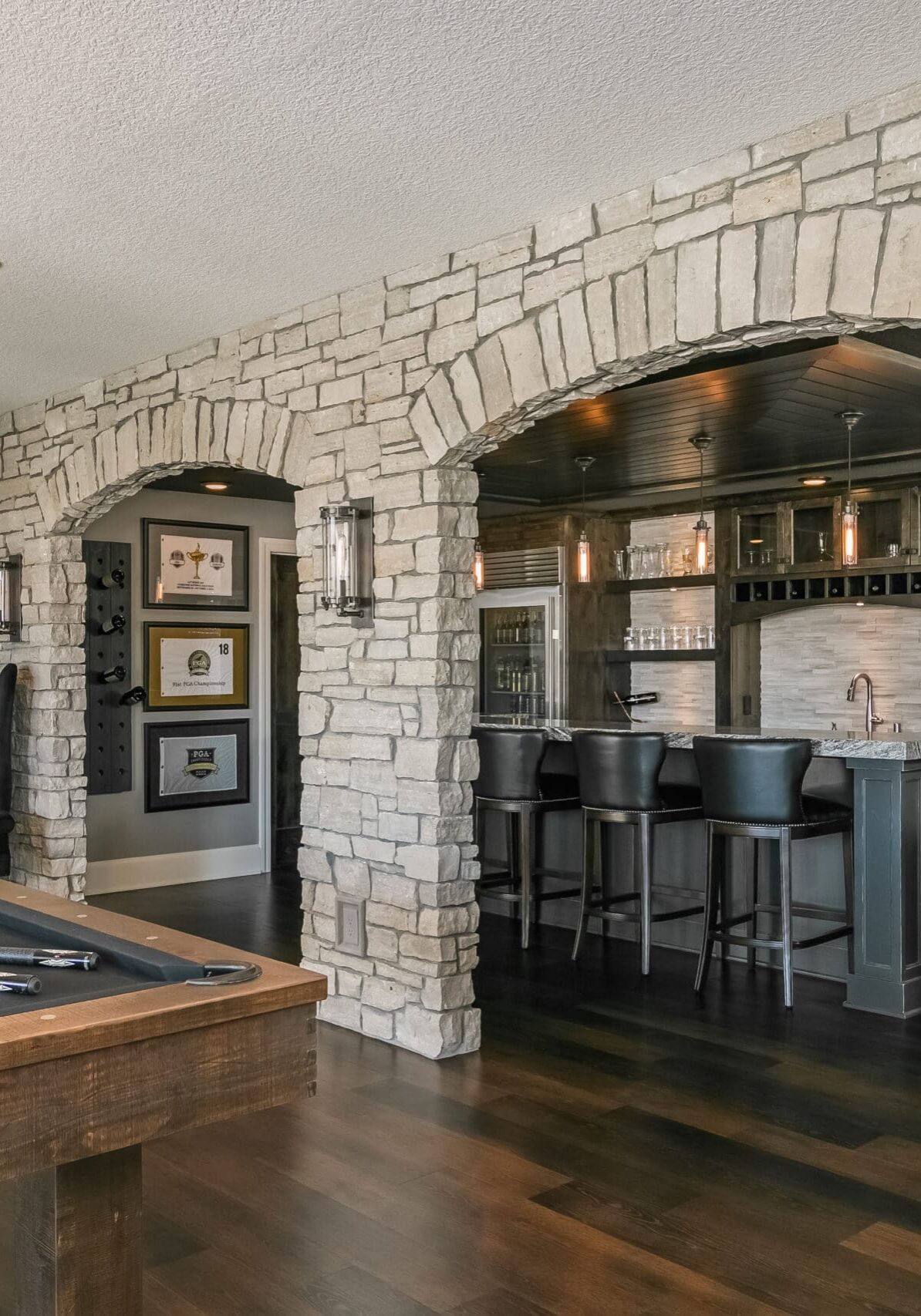
Preserving the Past
Designing the future
Architectural Authenticity
We maintain the integrity of original features like millwork, windows, and facades while updating the home for contemporary living.
Structural Solutions
We have the specialized knowledge to address the unique structural challenges of remodeling old houses, from original foundations and balloon framing to the need for modern infrastructure upgrades.
Modern Amenities Integration
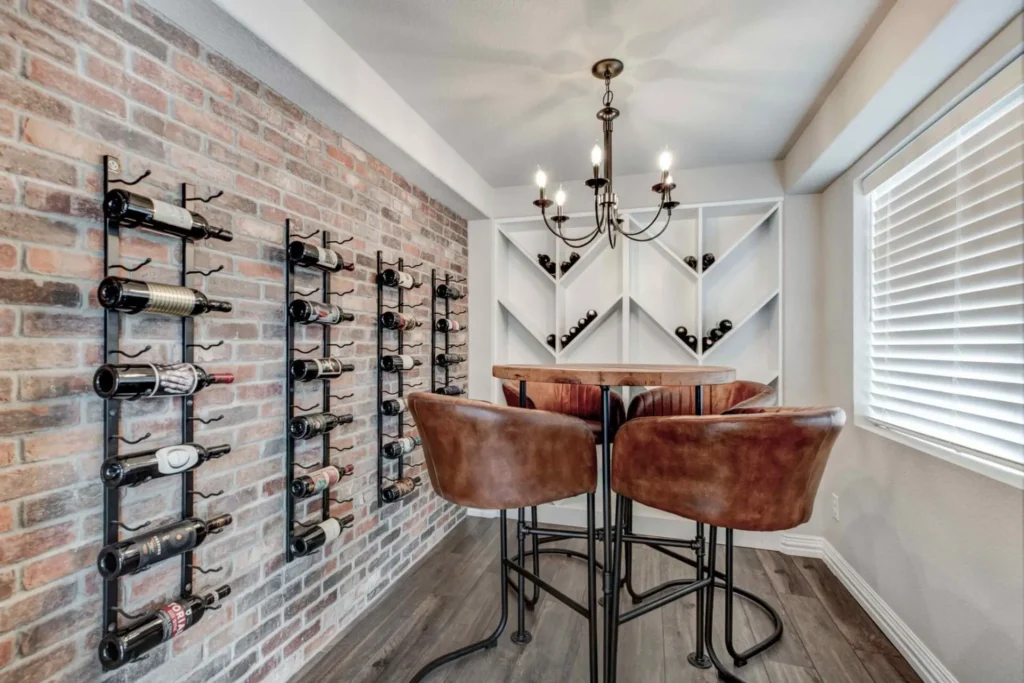
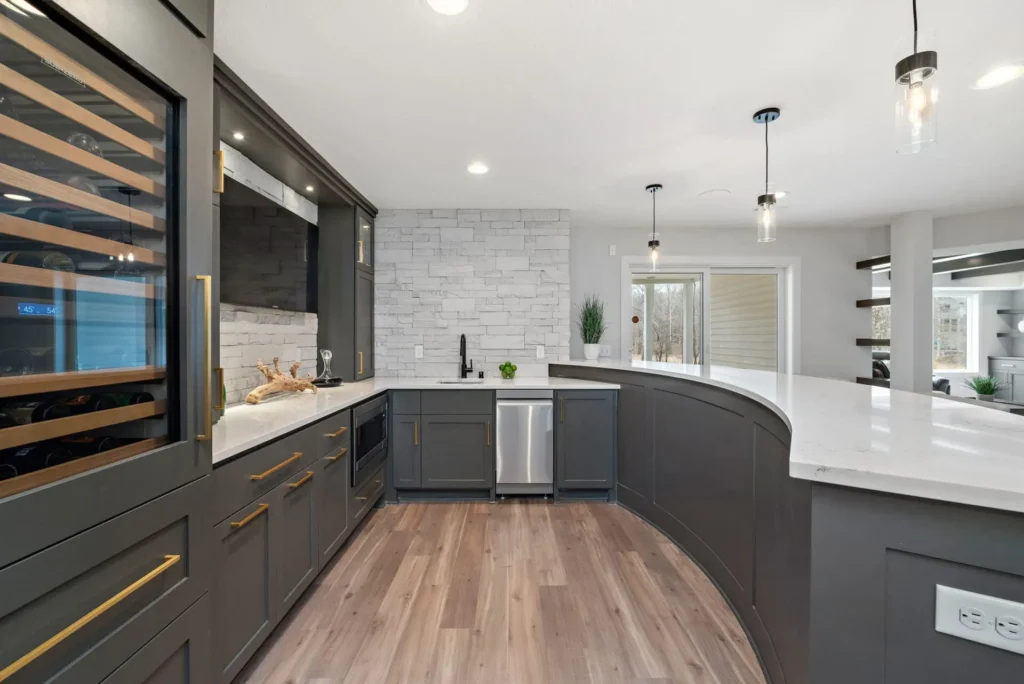
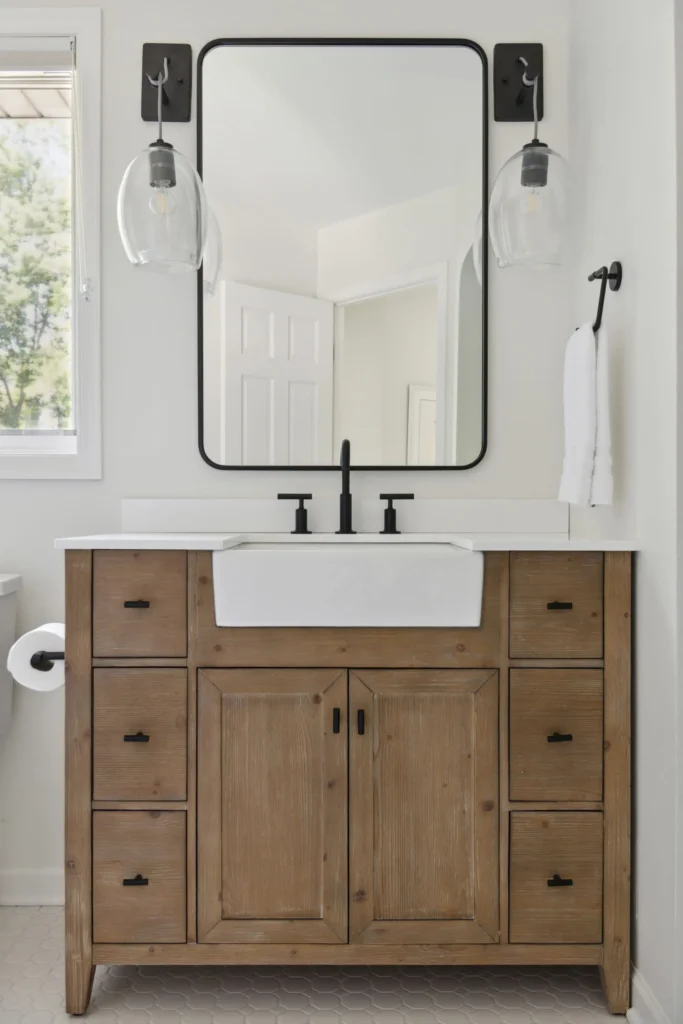
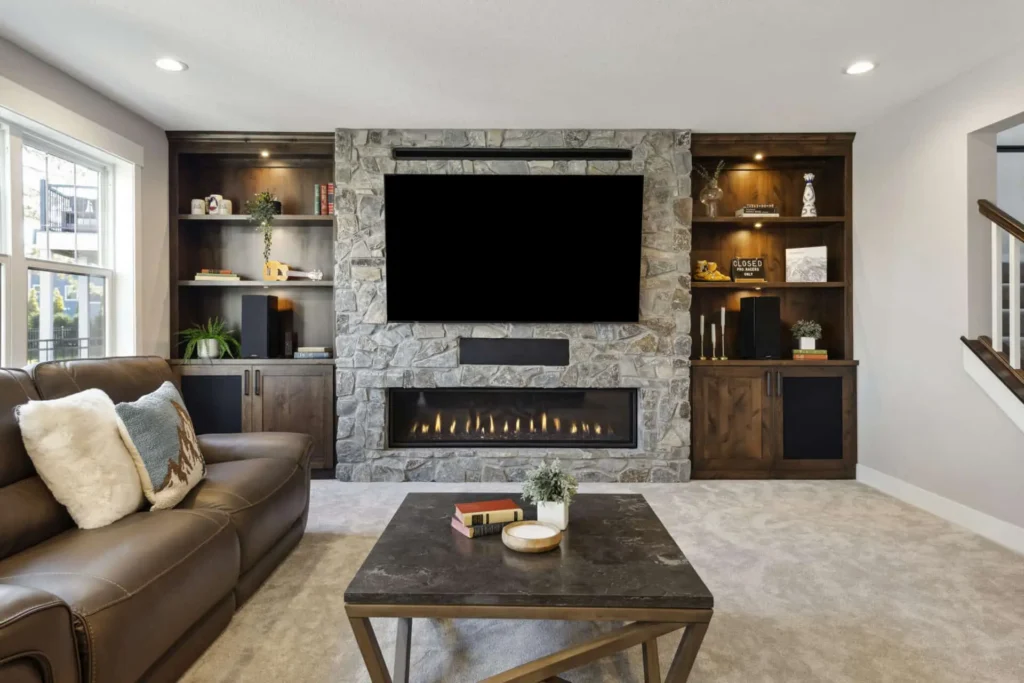
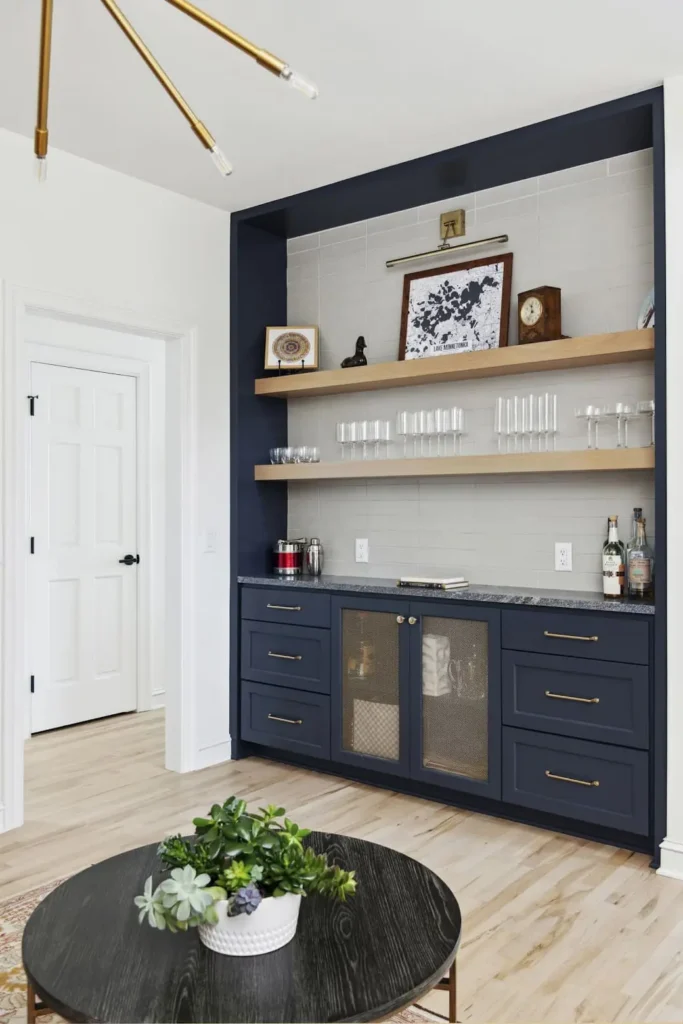
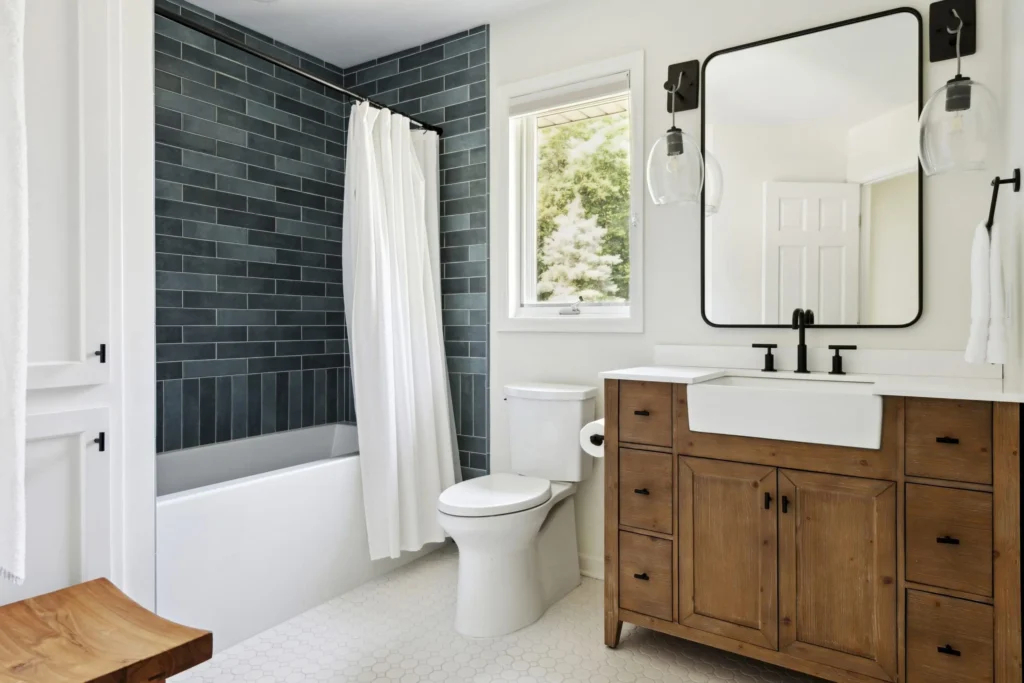
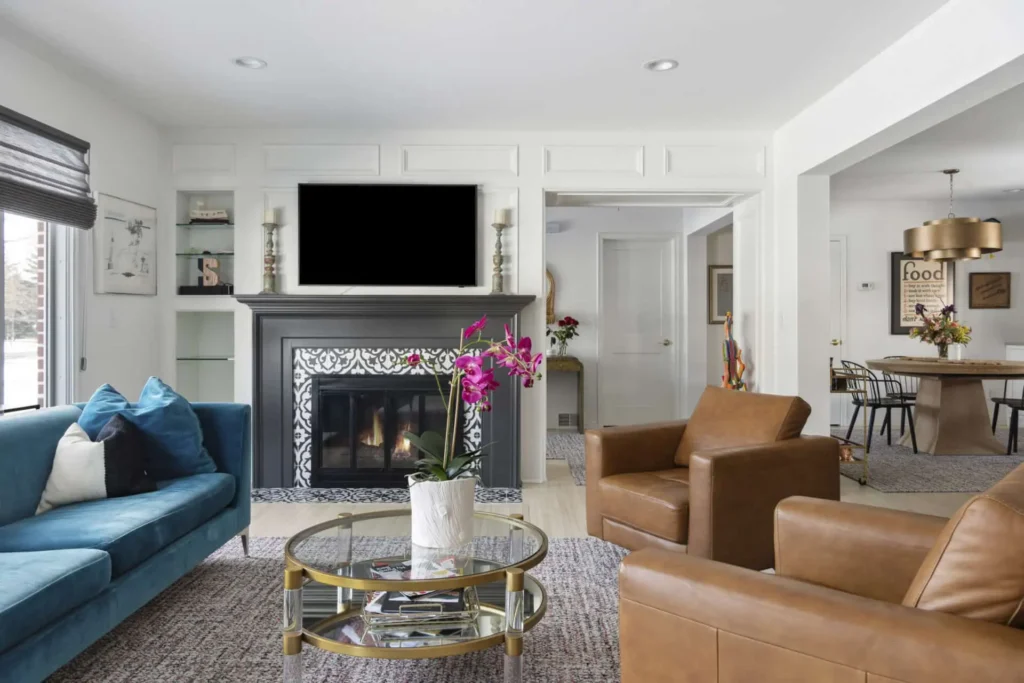
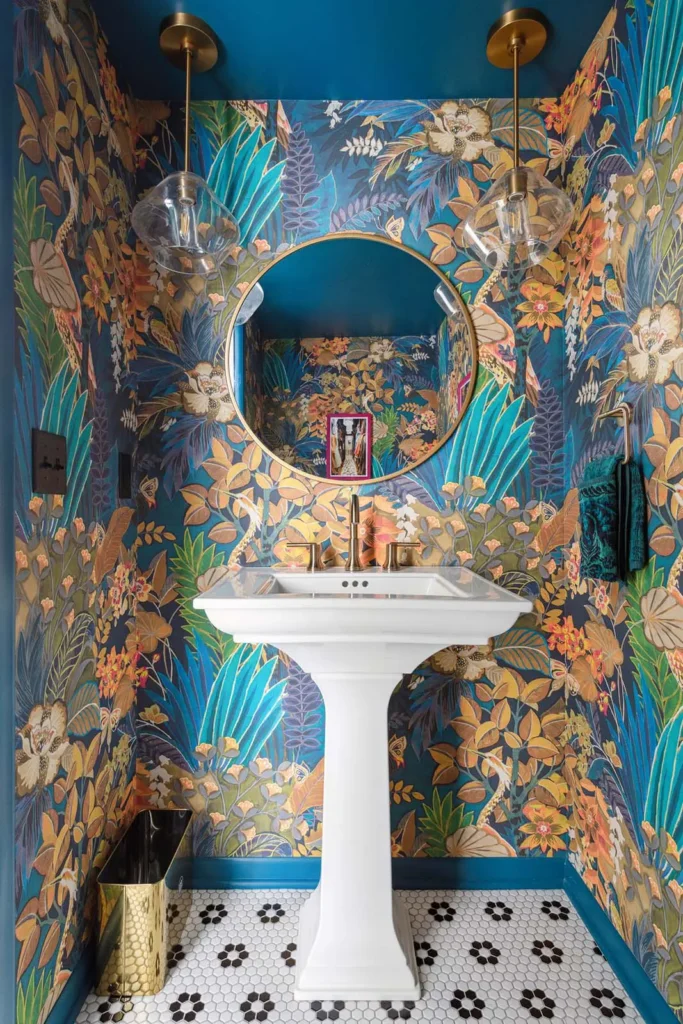
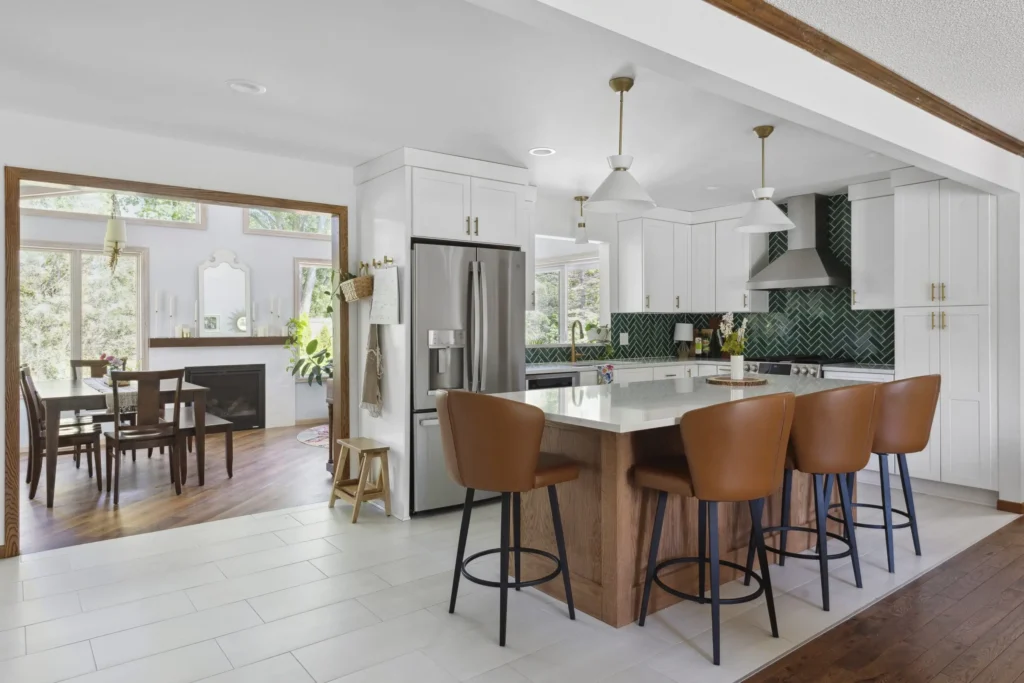
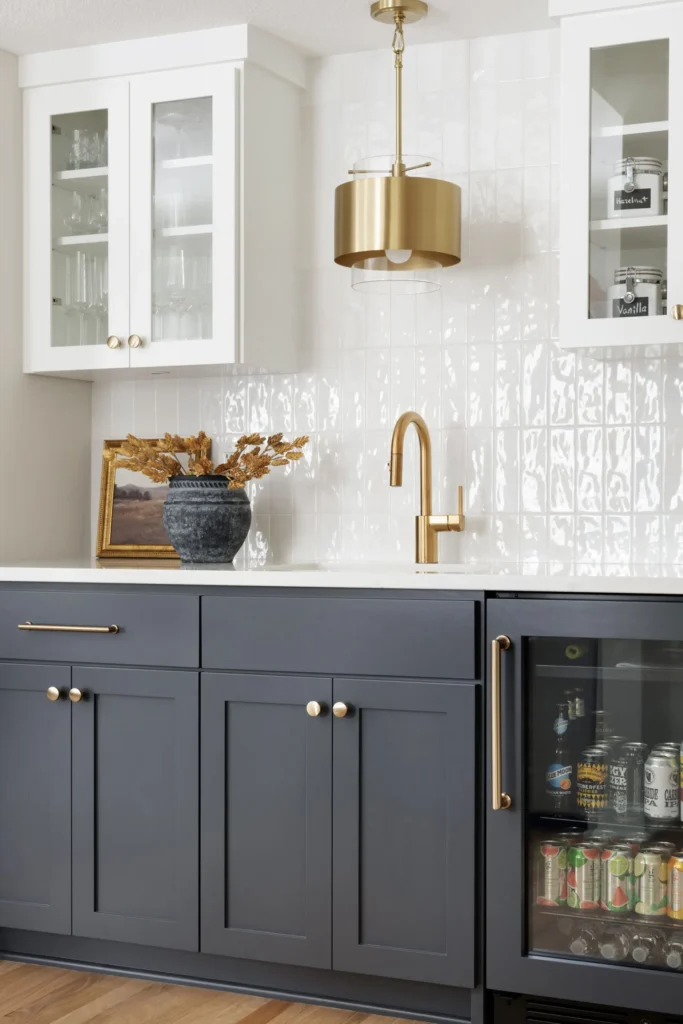
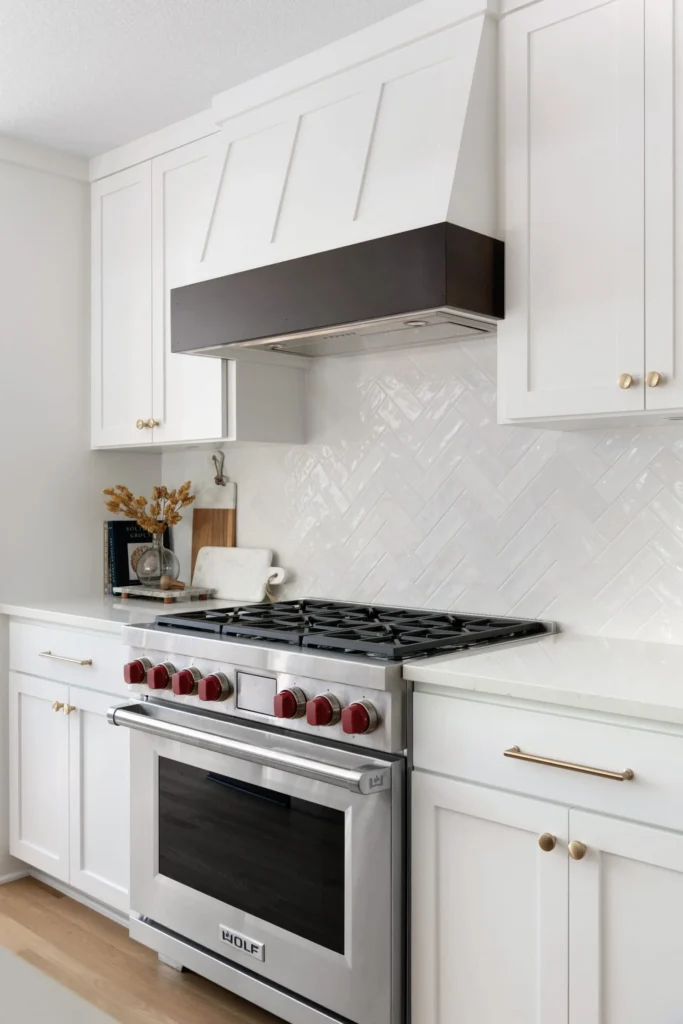
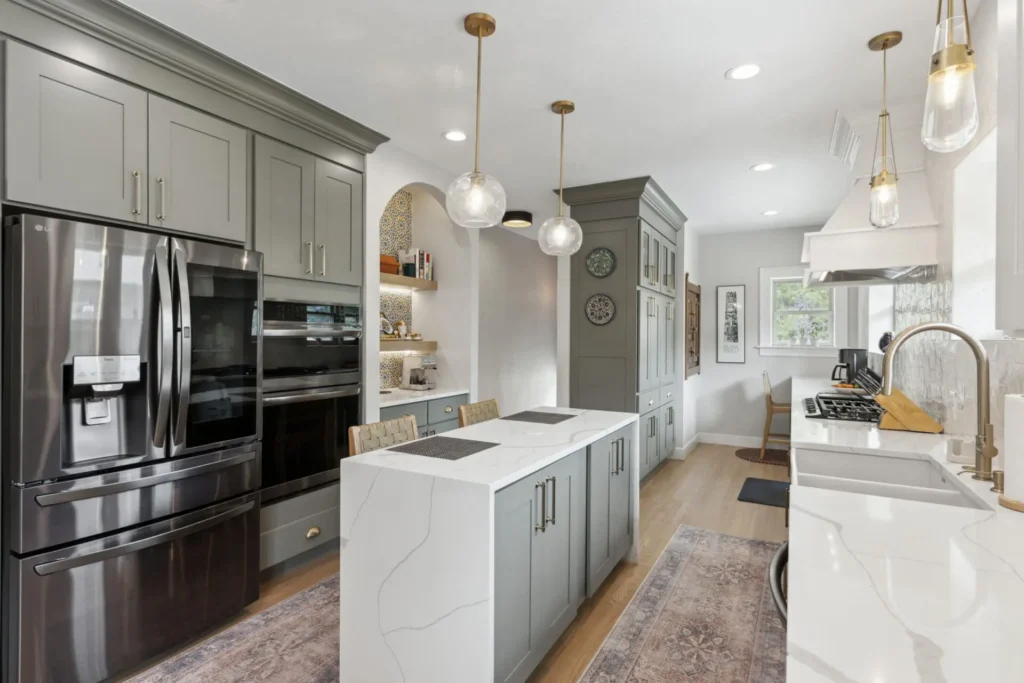
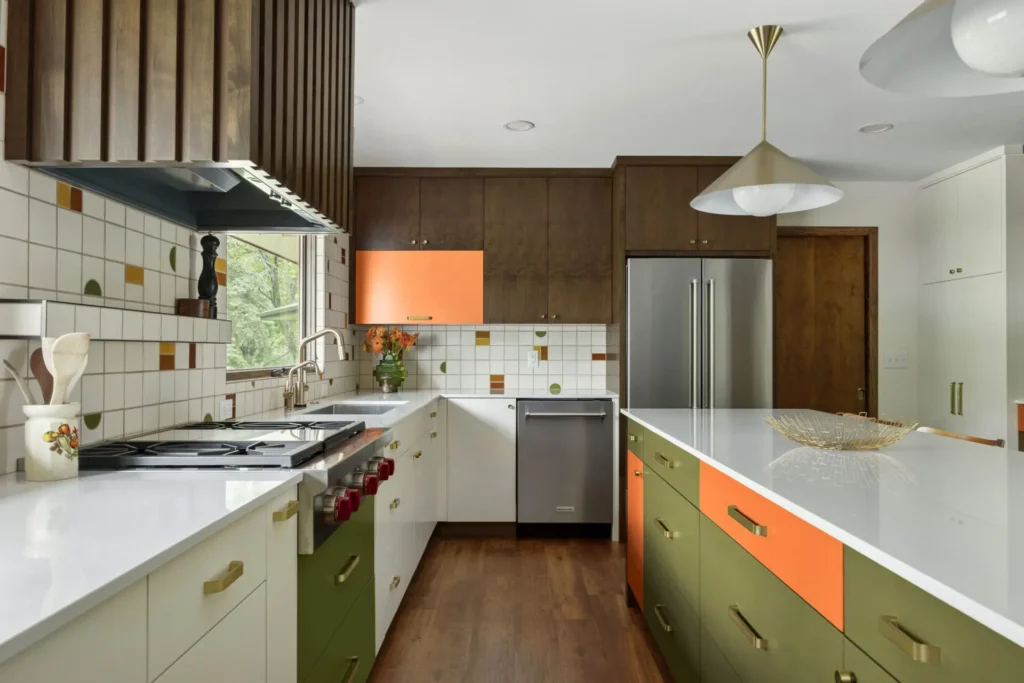
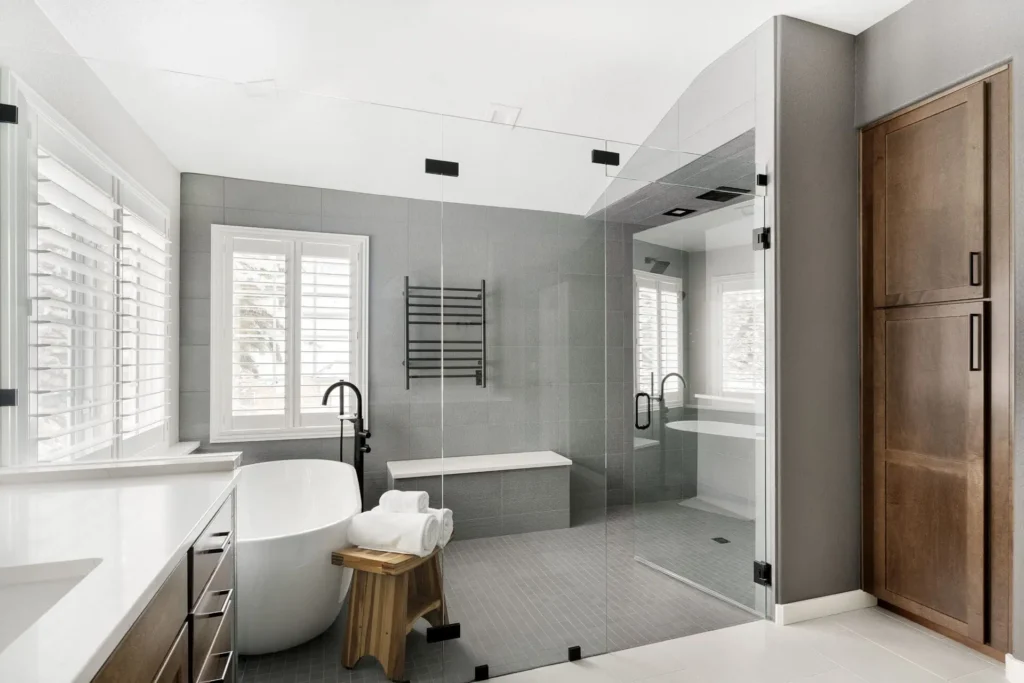
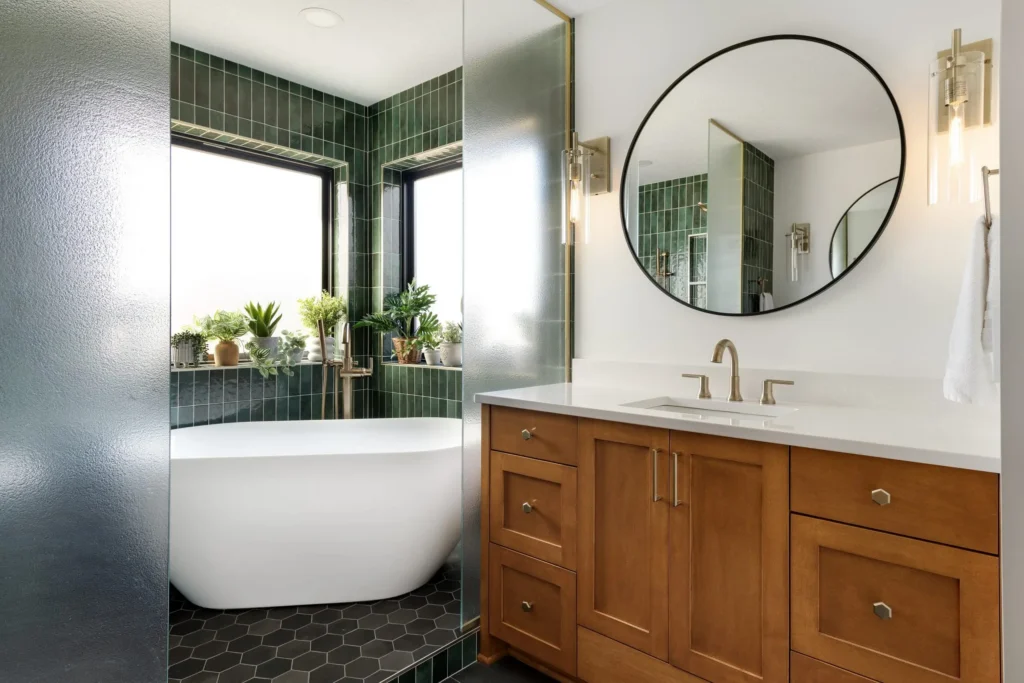
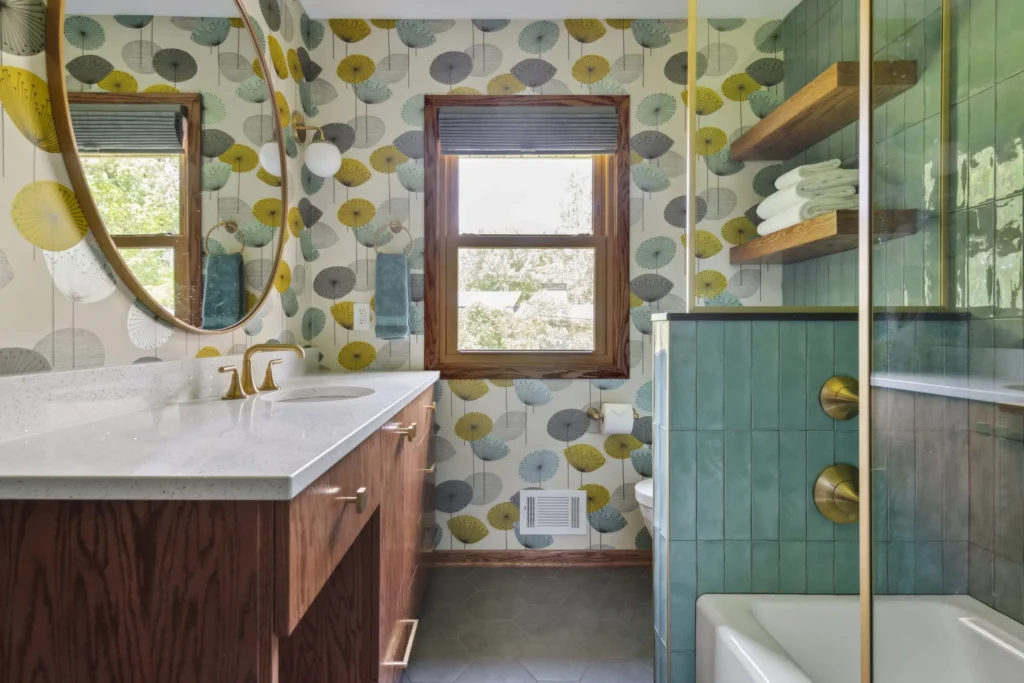
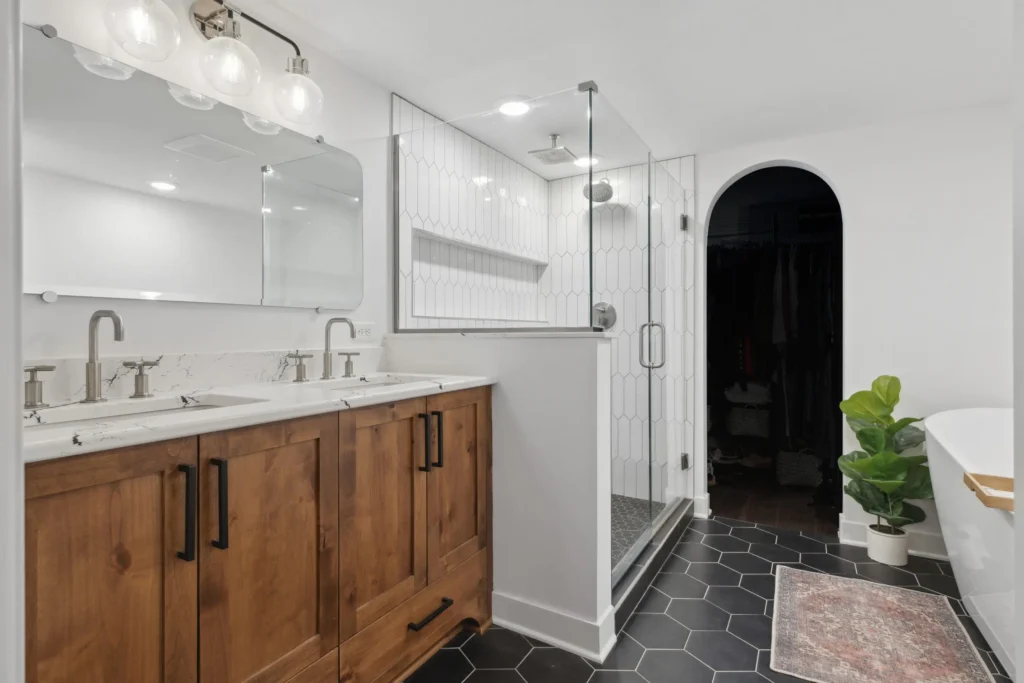
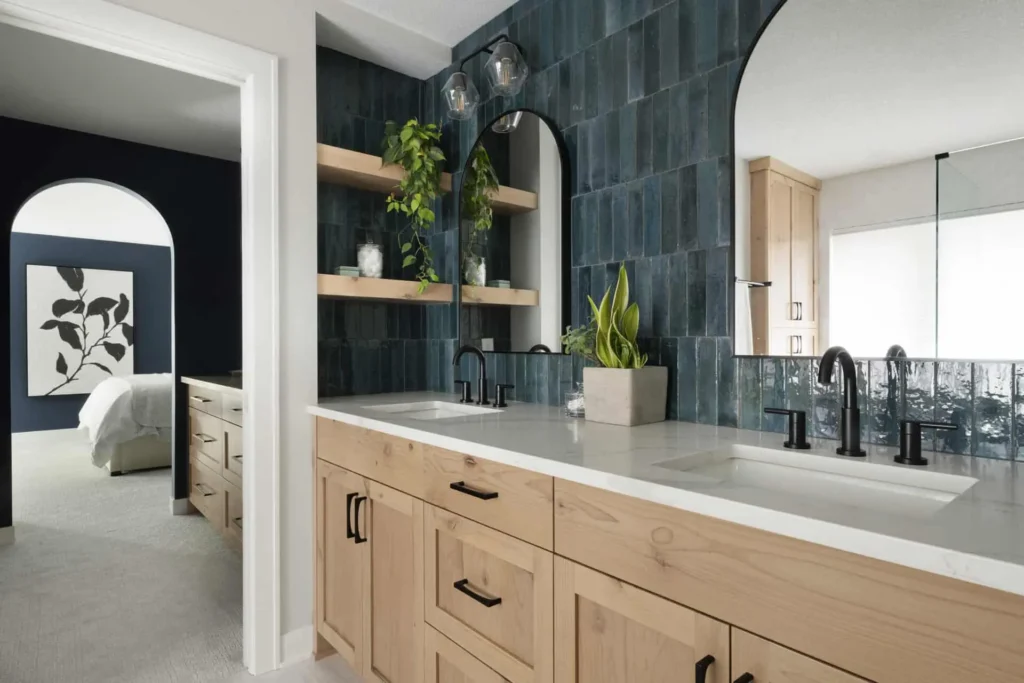
Our design team excels at seamlessly blending new, high-end kitchens, luxurious bathrooms, and open-concept living spaces into a classic shell.
Whole-Home Remodels
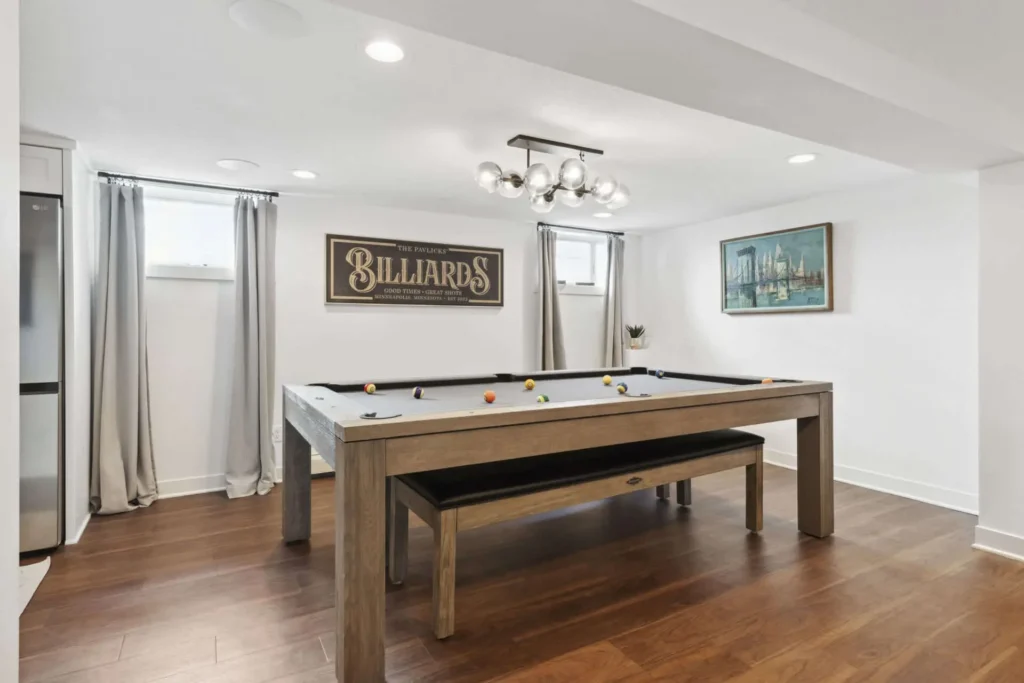
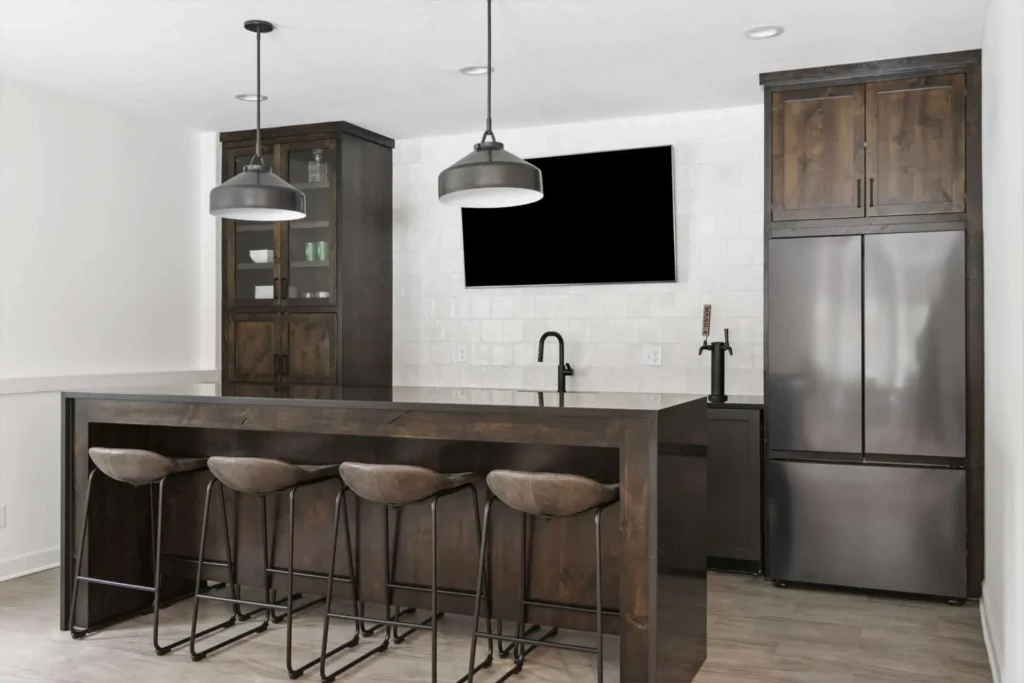
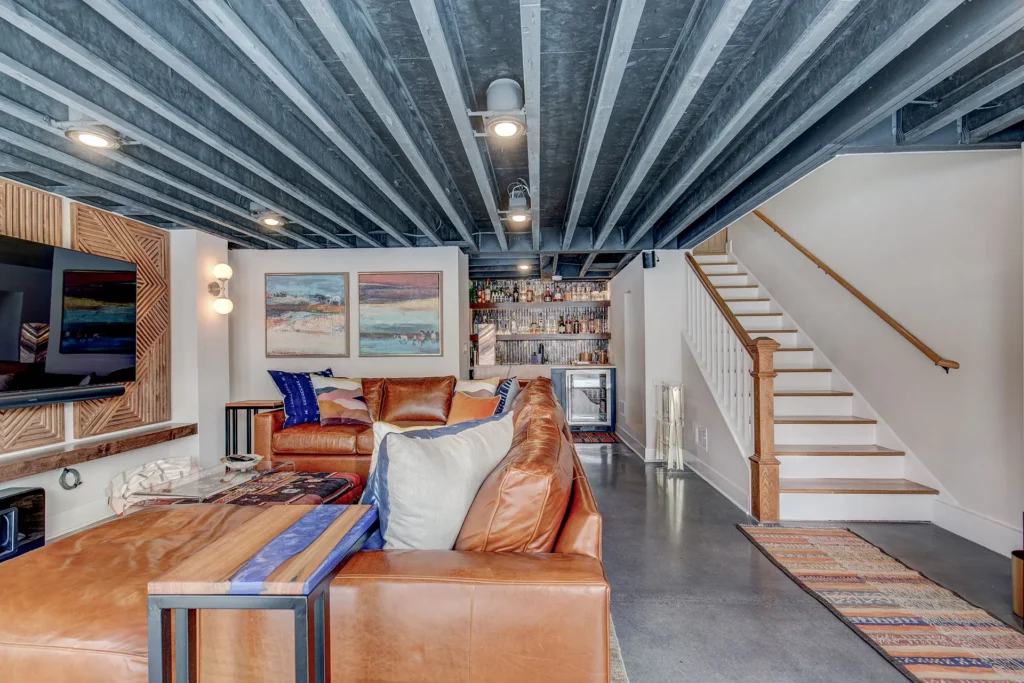
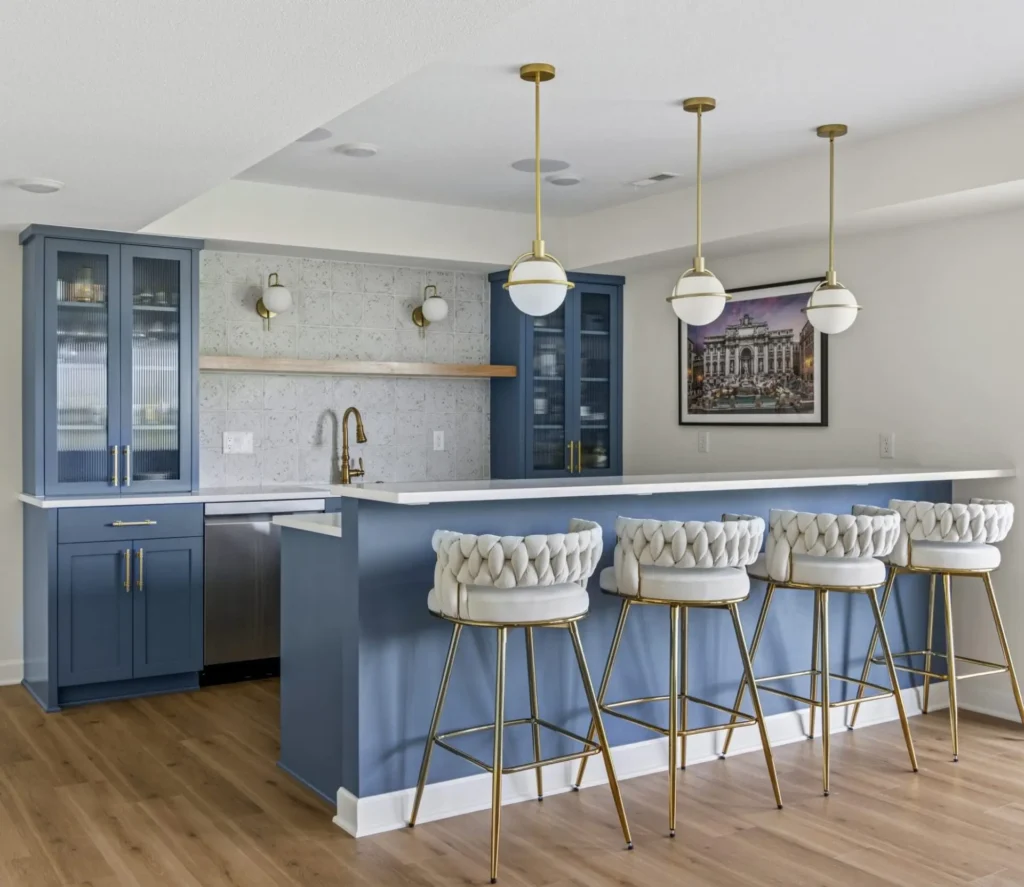
We handle everything from basement finishing and home additions to full whole-house historic renovations.
Comprehensive
Regulatory Services
The most significant hurdle for many historic homeowners is the bureaucracy of the preservation process. FBC Remodel takes this burden off your shoulders. While there are some items that the homeowner has to handle on their own; we will provide support and give you the tools you need. We are fully licensed and experienced in dealing with the specific local requirements in designated historic preservation districts.
Permitting & Approvals
We manage the entire process, securing all necessary historic home renovation permits and approvals, including Certificates of Appropriateness (COA) where required.
Liaison with Officials
We act as your advocate and intermediary with local planning and landmark preservation commissions, ensuring your project meets all design guidelines and ordinances.
Specialized Licensing
Our team holds the necessary licenses for structural modifications, electrical work, plumbing, and mechanical upgrades often required in old home remodels.
Code Compliance
We expertly blend historic building methods with modern residential building codes to ensure your home is beautiful, safe, and up-to-date.
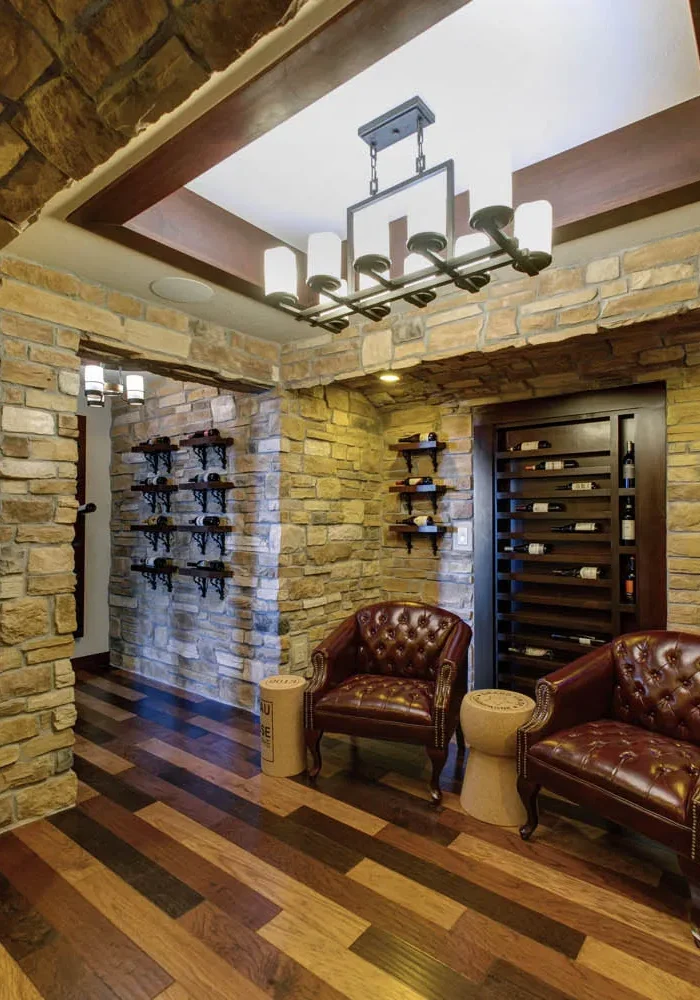
historic remodeling made simple
Build Joy Call
Everything starts with understanding your vision and needs. We'll ensure we're a good fit for eachother and provide information on our processes.
Feasibility Meeting
An attic conversion is a complex project, and smart homeowners often worry about more than just aesthetics. We will cover the top concerns most people overlook and demonstrate how FBC Remodel's integrated design-build process provides guaranteed solutions, ensuring your new space is safe, functional, and valuable.
In-Person Design Consult
Our Senior Designer and Project Manager will come to your home home to discuss the project in further detail, assess the existing space, and discuss what the next steps look like.
measure & develop
Our team visits your home to take detailed measurements and assess your space. We'll create custom-designed floor plans, elevations and 3D renderingss so you can visualize exactly how your new space will look and function.
Ideas Meeting
Using those 3D renderings, we'll walk through the design concept step-by-step, making sure every detail is exactly as described. This is your chance to refine, adjust, and perfect the plan before construction begins.
The FBC Difference in
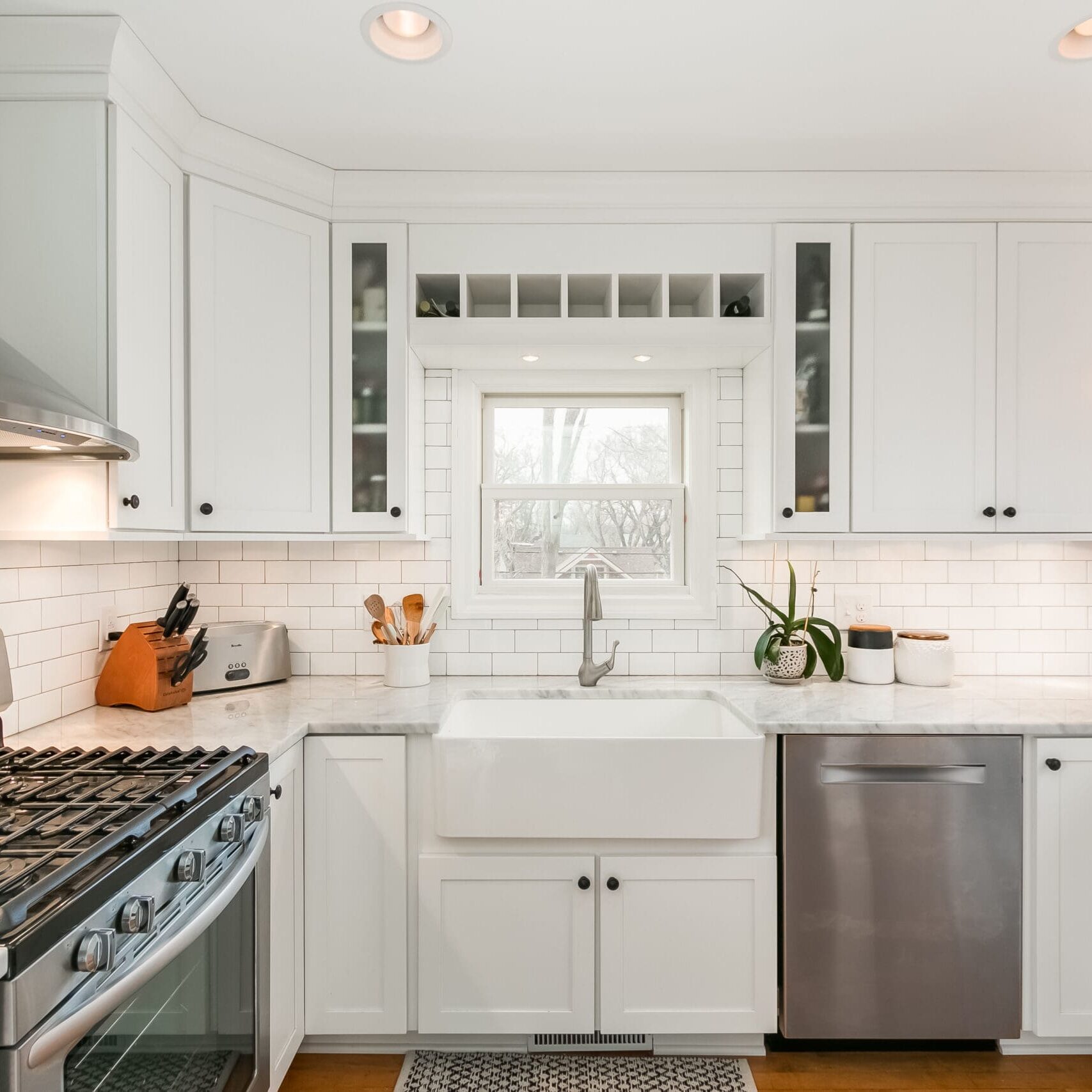
Historic Kitchen Renovations
If you own a historic home, you understand the challenge: how do you bring a tiny, closed-off, or outdated kitchen into the 21st century without sacrificing its irreplaceable architectural integrity?
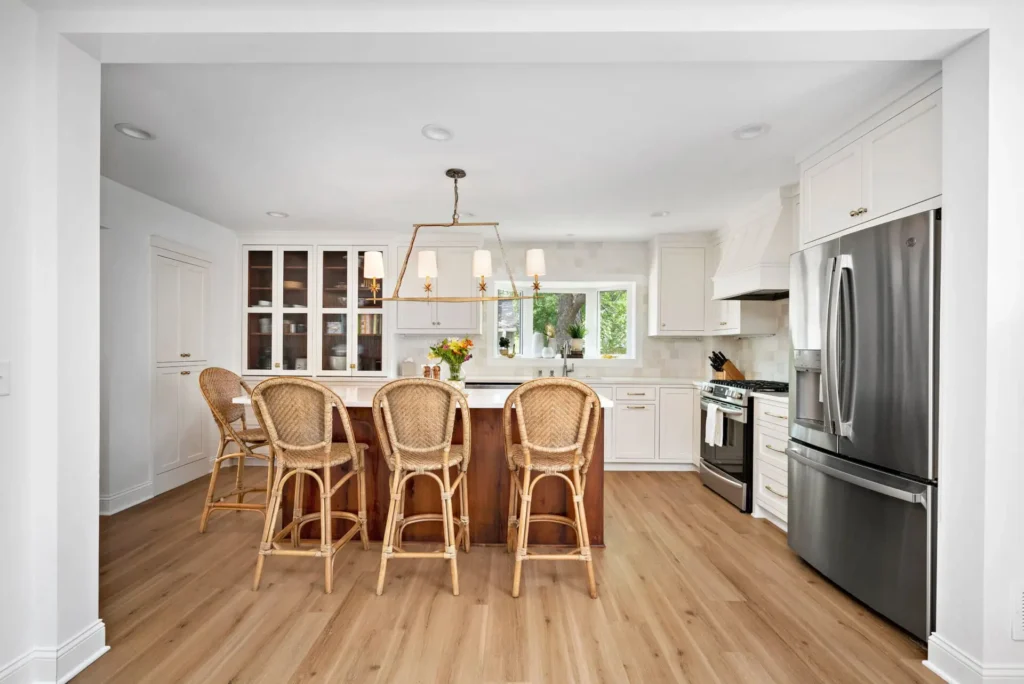
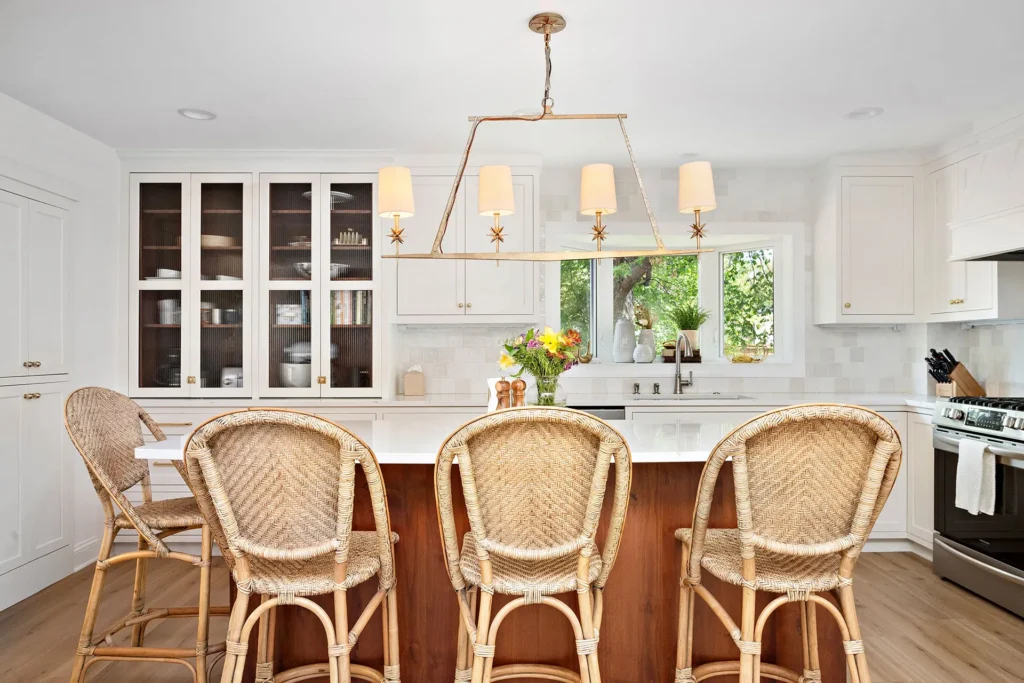
At FBC Remodel, we specialize in the art of the historic kitchen remodel. Our award-winning design-build process is specifically tailored to navigate the complexities of older homes, from working within existing, often challenging, structural footprints to seamlessly integrating modern amenities.
Our approach ensures your new kitchen feels both authentically historic and perfectly tailored to contemporary living. We focus on key elements that deliver a true “old-meets-new” masterpiece.
Frequently Asked Questions
Historic home permits are typically required for any exterior changes, additions, or major structural alterations on properties located within a designated Historic District or those that are individually landmarked. Interior work generally has fewer restrictions, but this varies by municipality. We verify all requirements for you.
A COA is an approval granted by a local Historic Preservation or Landmark Commission. It certifies that a proposed remodel or alteration is “appropriate” and meets the design guidelines for the historic district or landmark. Securing this is a core part of our service.
Absolutely. Our goal is to achieve a compliant yet luxurious design. We specialize in adding modern comforts like open layouts, smart home technology, and high-end fixtures while respecting the home’s historic character—for example, a modern kitchen design in a historic Tudor.
Yes, safety and compliance are paramount. Older homes frequently contain hazardous materials like lead-based paint and asbestos. Our process always includes a thorough inspection to identify these issues. We then coordinate and manage the certified abatement professionals and ensure all work is completed according to strict state and federal safety guidelines. Handling these materials legally and safely is a non-negotiable part of our historic home renovation protocol.
Most clients stay in their homes during the home extension project, though you’ll need to plan for some limited access during construction. Most importantly, we’ll provide a detailed schedule so you can prepare and make temporary arrangements for your daily routine (like meals).
The regulatory timeline is highly variable and depends on your local preservation commission’s schedule and the complexity of the proposed changes. Minor alterations might be approved in 4-6 weeks, but major exterior changes or additions requiring a formal hearing for a Certificate of Appropriateness (COA) can often take 2 to 4 months just for the design review and approval. We proactively manage the submission, attend all necessary meetings, and ensure all documentation is correct the first time to minimize delays in your overall historic remodel timeline.
That’s exactly why we use 3D renderings and have detailed Ideas Meetings. We want you to see everything clearly and make any changes before construction starts, so there are no surprises or regrets later.
The primary challenges involve structurally integrating the new construction with the old. This includes:
1) Foundation Matching: Ensuring the new foundation connects securely and at the appropriate depth to the existing one.
2) Load Bearing: Calculating the new load on older framing and potentially reinforcing original walls and beams.
3) Utility Integration: Seamlessly extending and integrating new HVAC, plumbing, and electrical systems. We use specialized engineering and construction techniques to ensure the historic home addition is structurally sound and architecturally seamless.