Are you looking for a creative way to add significant square footage and value to your home without the disruption of a major ground-up addition? An attic conversion is the perfect solution.
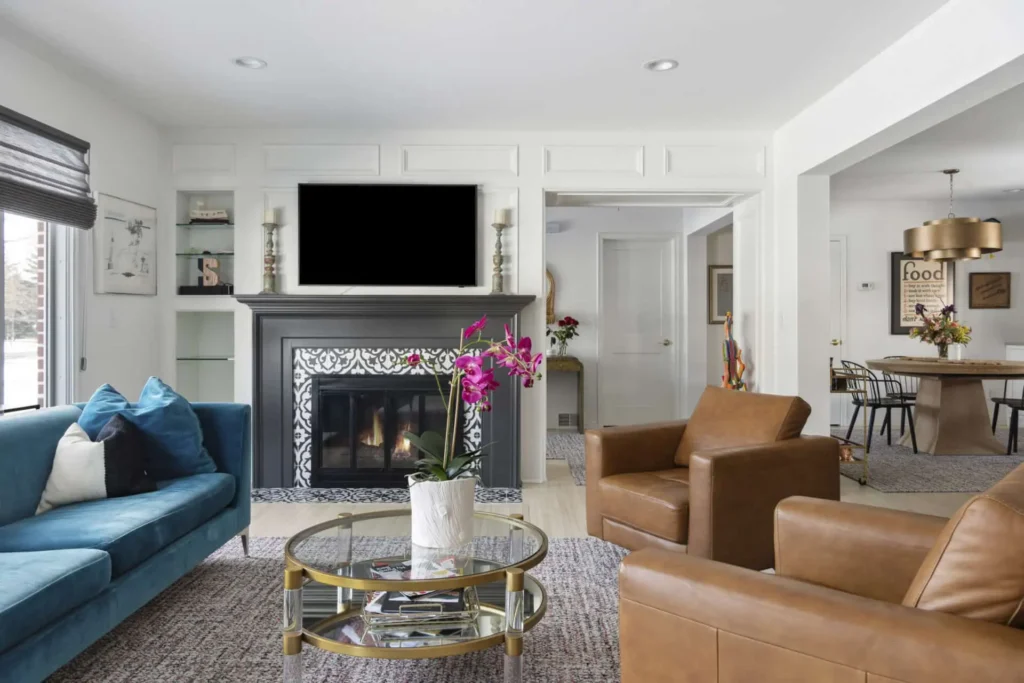
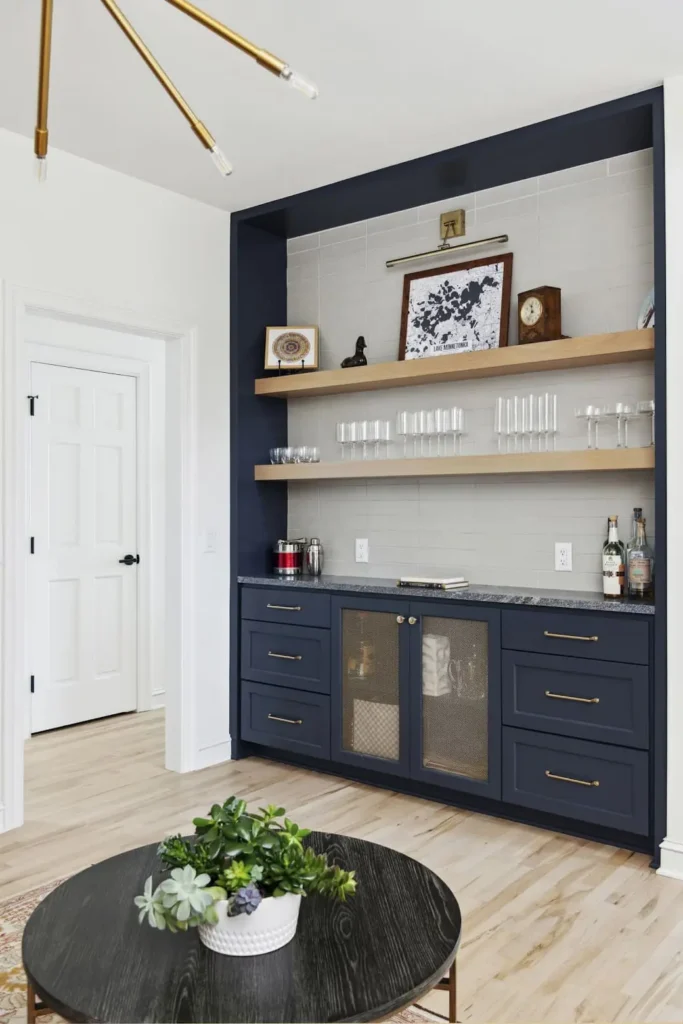
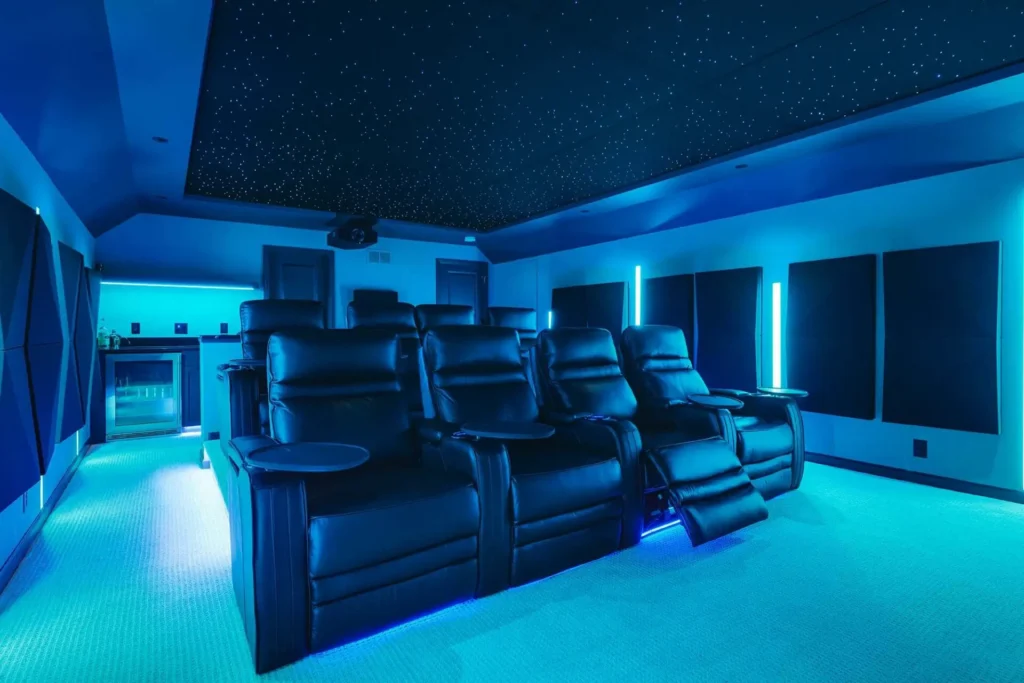
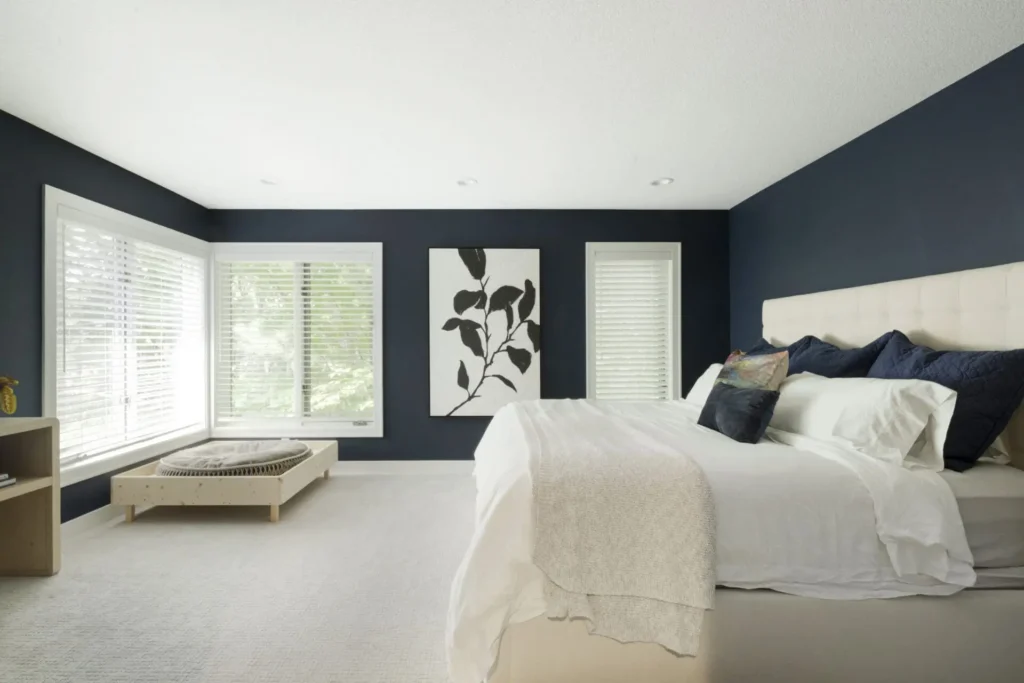
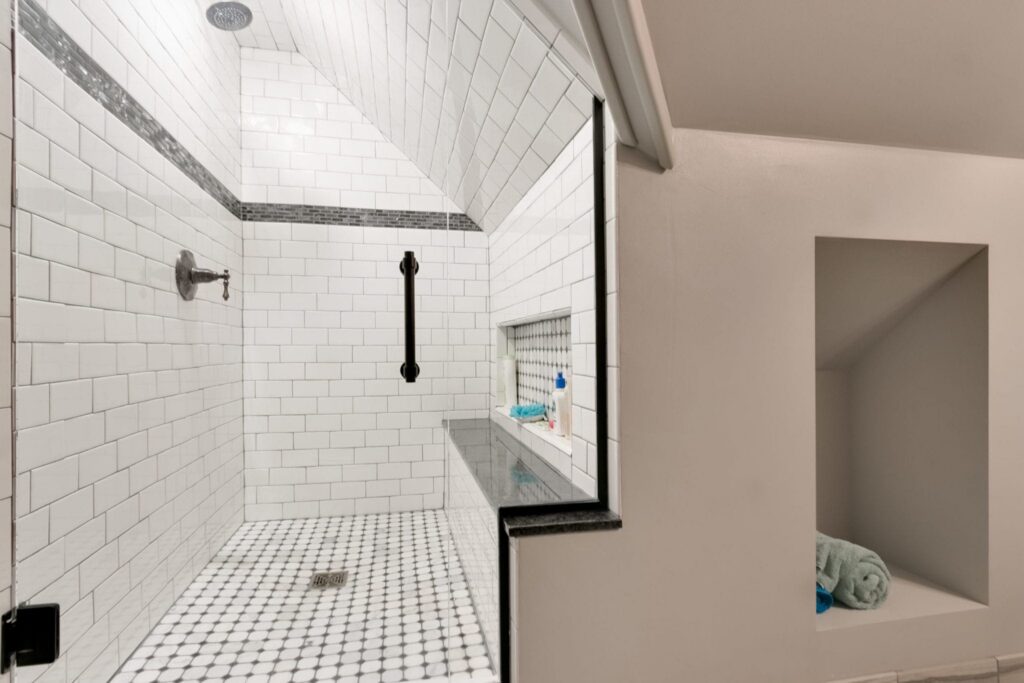
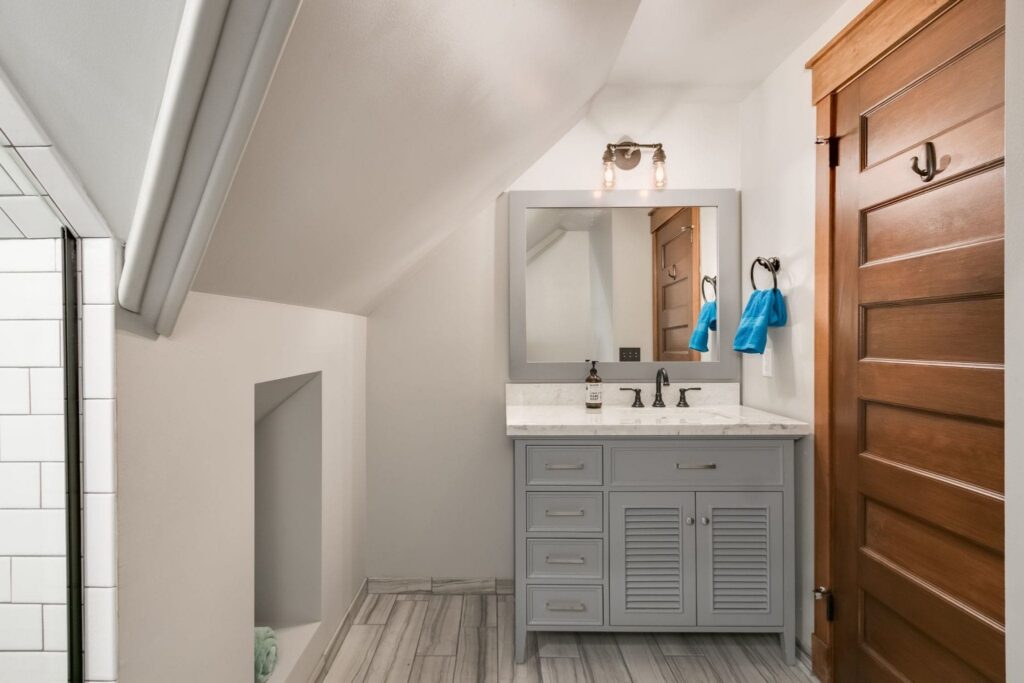
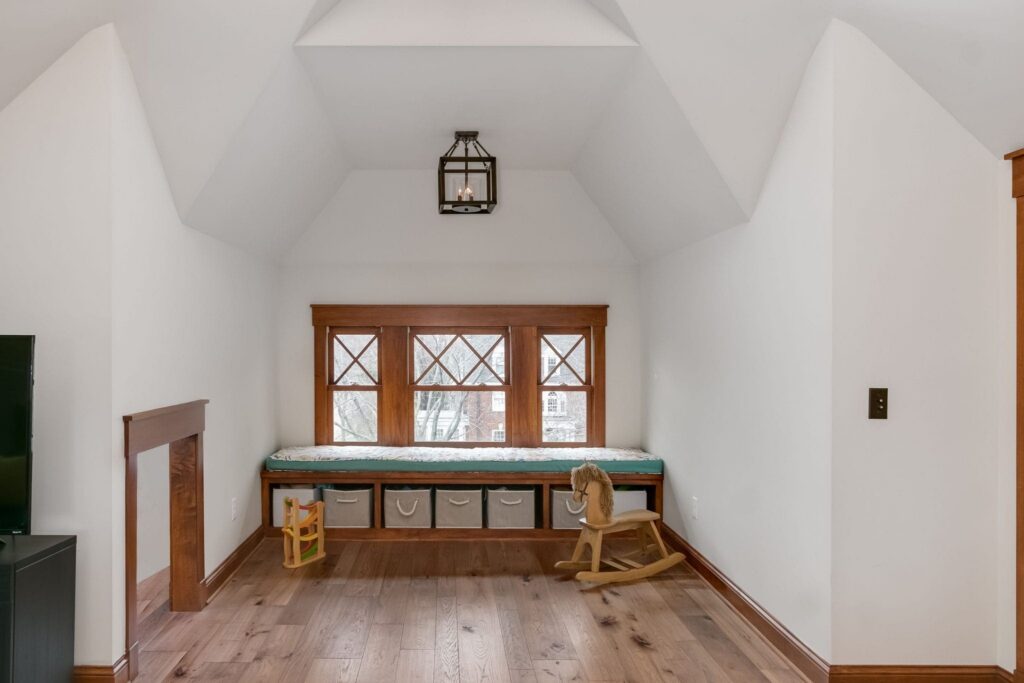
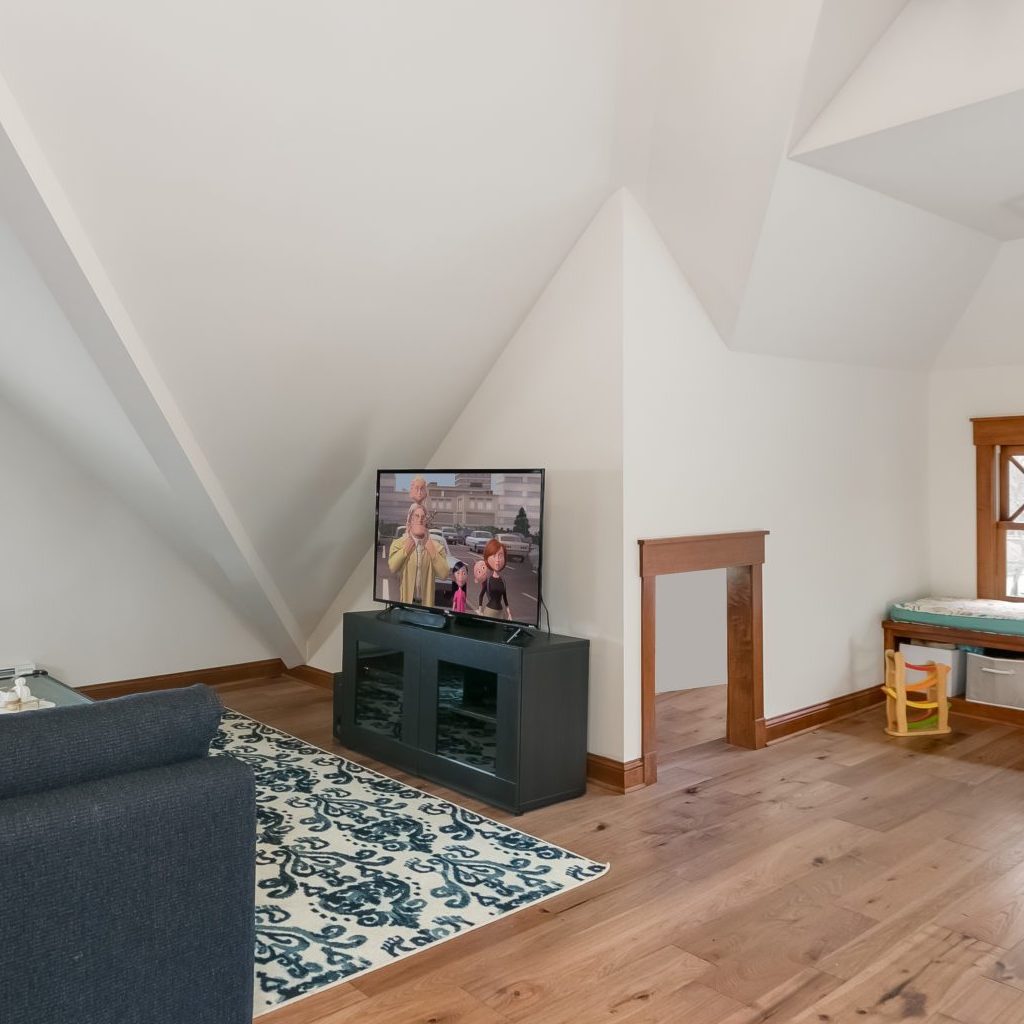
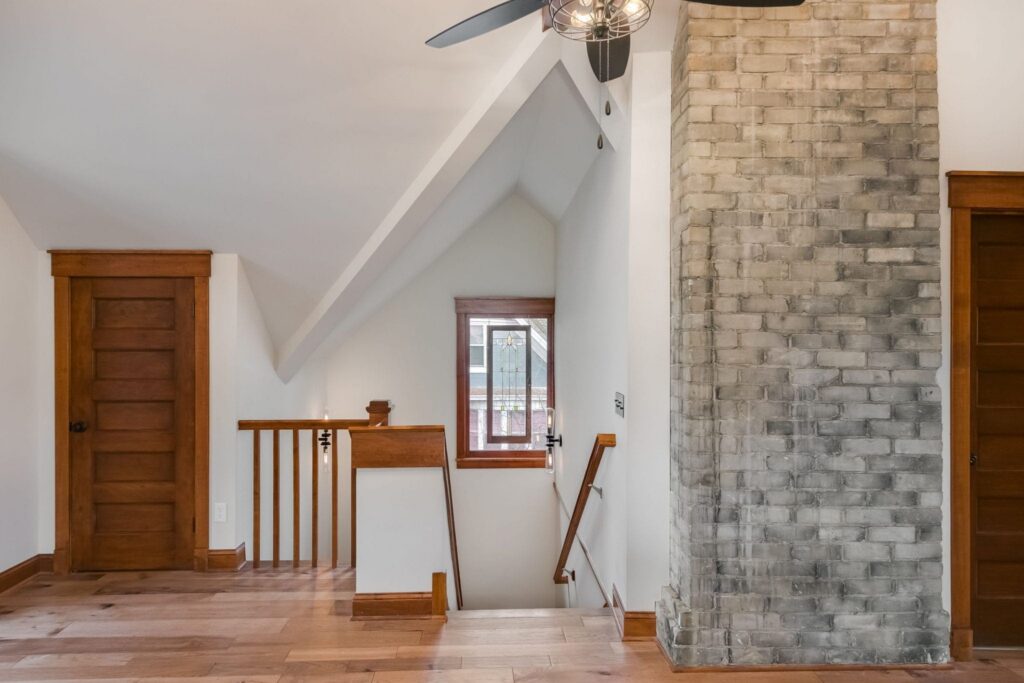
At FBC Remodel, we don't just finish attics; we reimagine them. We specialize in turning underutilized attic spaces into stunning, highly functional, and luxury living areas—from master suites and guest quarters to custom home offices and entertainment rooms.
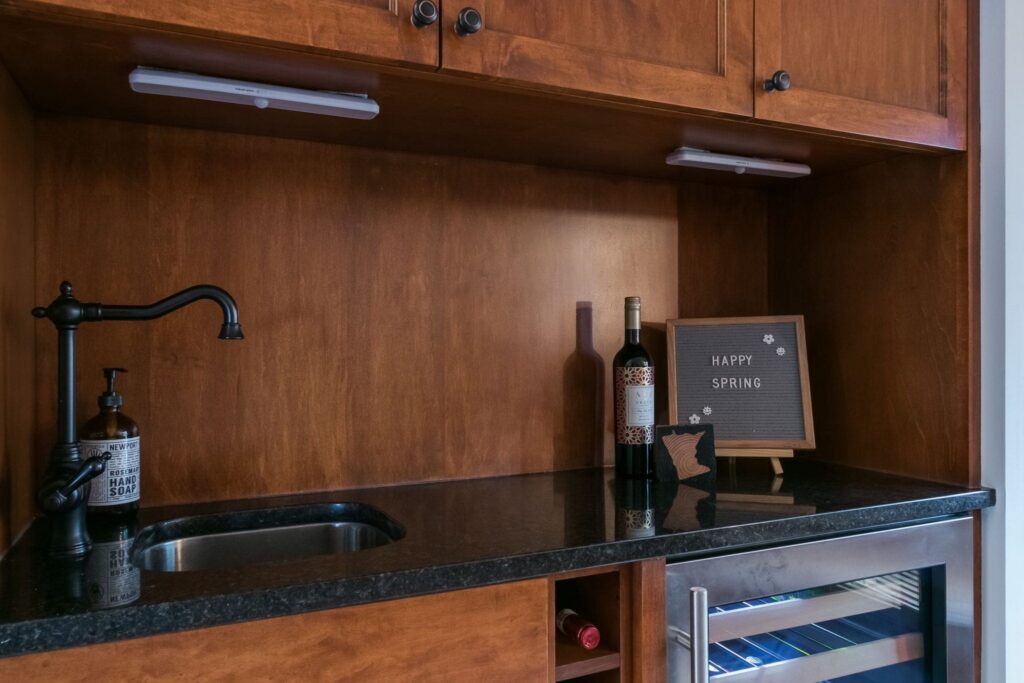
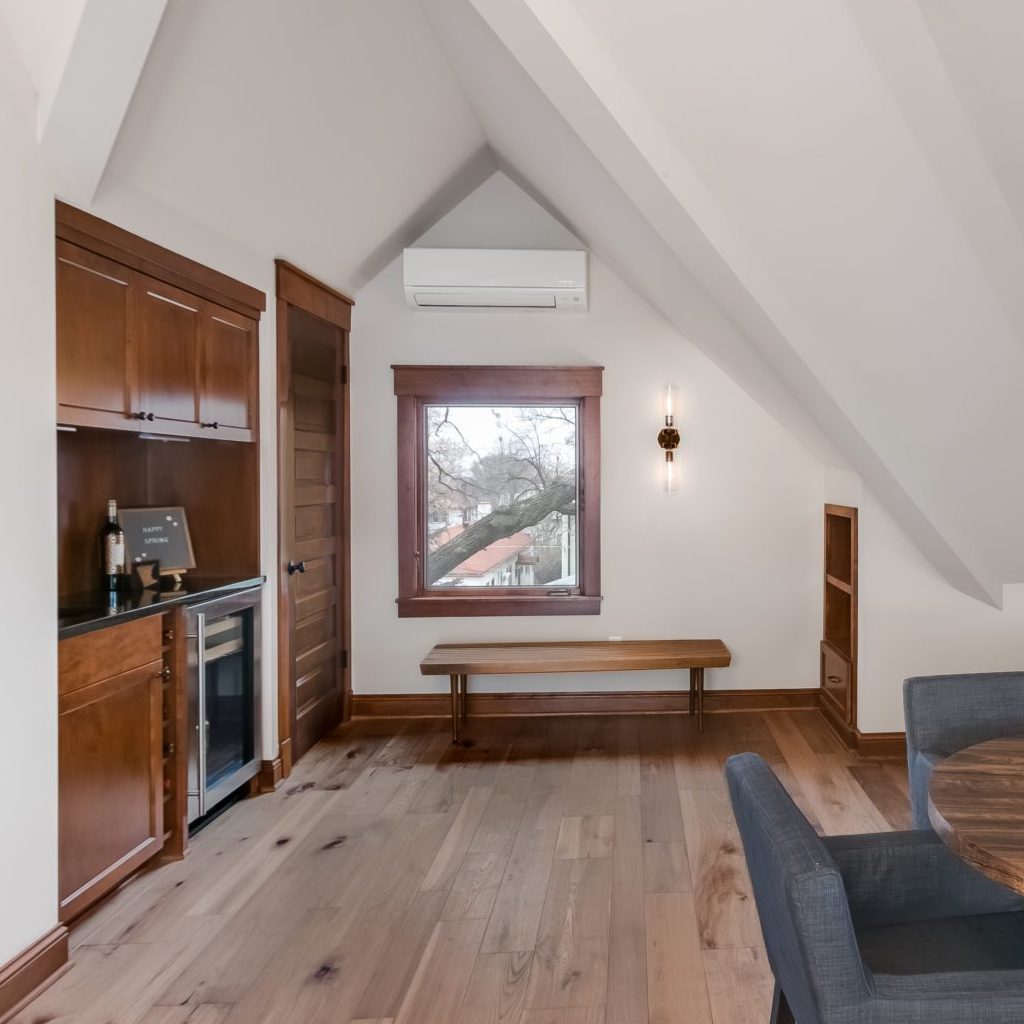
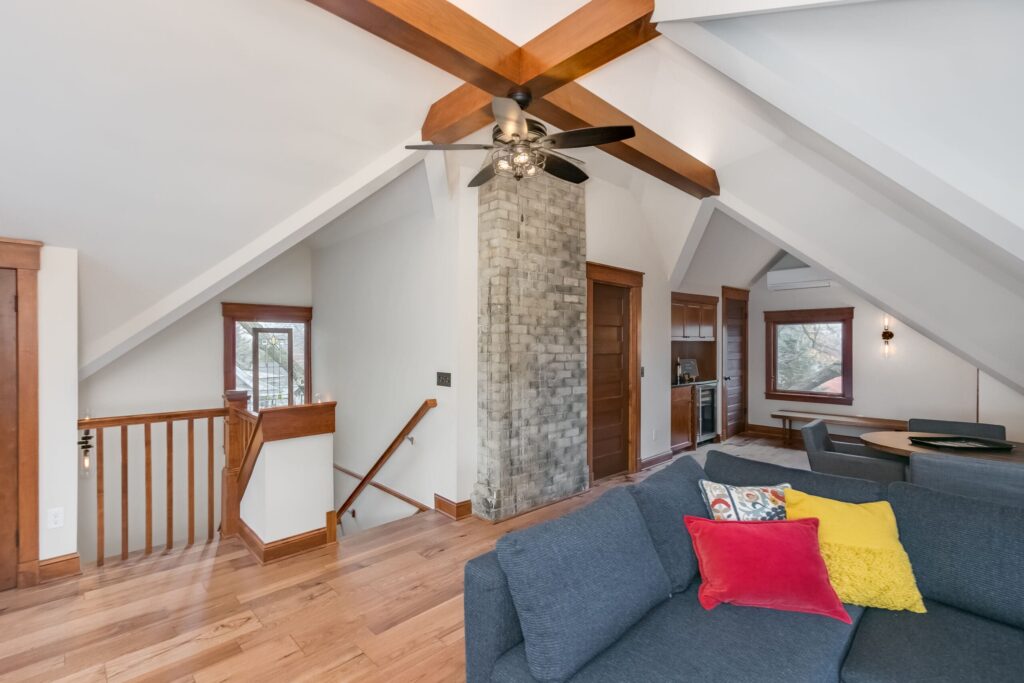
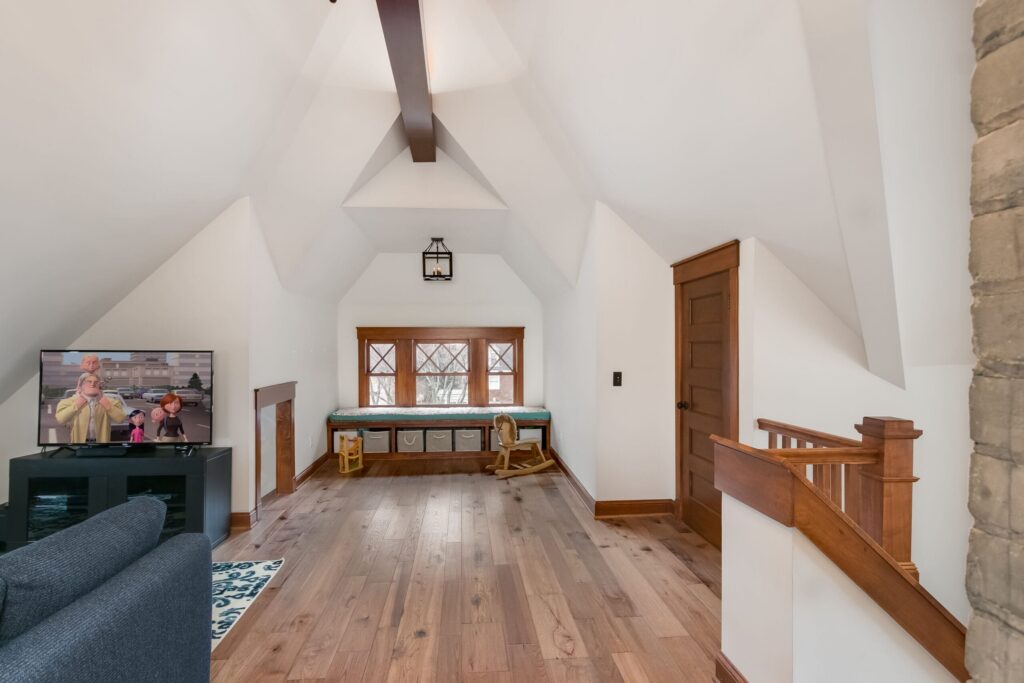
build joy
Right Under Your Roof
Don’t let valuable square footage go to waste. A luxury attic conversion by FBC Remodel is an investment that pays dividends in both lifestyle and home value. An attic conversion is not just a cosmetic remodel; it is a structural undertaking that requires specialized engineering knowledge. FBC Remodel ensures your project is safe, code-compliant, and built for lasting quality.
the design build difference in your attic
Integrated Design-Build Process
Here's what sets us apart: we're a design-build company, which means you won't be juggling multiple contractors or dealing with finger-pointing when things go sideways You work with a dedicated team, including an interior designer, architect, structural engineer and project manager, ensuring clear communication and exceptional quality. Our award-winning design team and construction crews work hand-in-hand from day one, so there's clear communication, accountability, and a streamlined process that actually makes sense.
High Quality Craftsmanship
You'll get custom-designed solutions that fit your space perfectly, not cookie-cutter results. We create detailed floor plans, elevations and 3D renderings so you can see exactly what you're getting before we pick up a hammer. Our design-build team includes or works directly with licensed structural engineers who specialize in attic load-bearing analysis. We expertly address issues like floor reinforcement, ceiling height requirements, and stair placement to ensure the new space is structurally sound and safe.
Quick & Efficient Completion
We'll give you access to our scheduling software so you know exactly what to expect, when, and with visibilty into project progress. From design to completion, the whole process typically takes 4-8 months, which means you'll be using your new expanded space sooner than you think.
Structural & Local Expertise
Deep knowledge of local building codes, permitting, and structural requirements specific to attic remodel projects. Our design-build team includes or works directly with licensed structural engineers who specialize in attic load-bearing analysis. Unlike general contractors, our integrated process ensures that all structural modifications—from reinforcing the ceiling joists below to adding a new dormer above—are executed with a unified plan, guaranteeing the long-term integrity of your entire home.
build joy
Into Your Attic Conversion
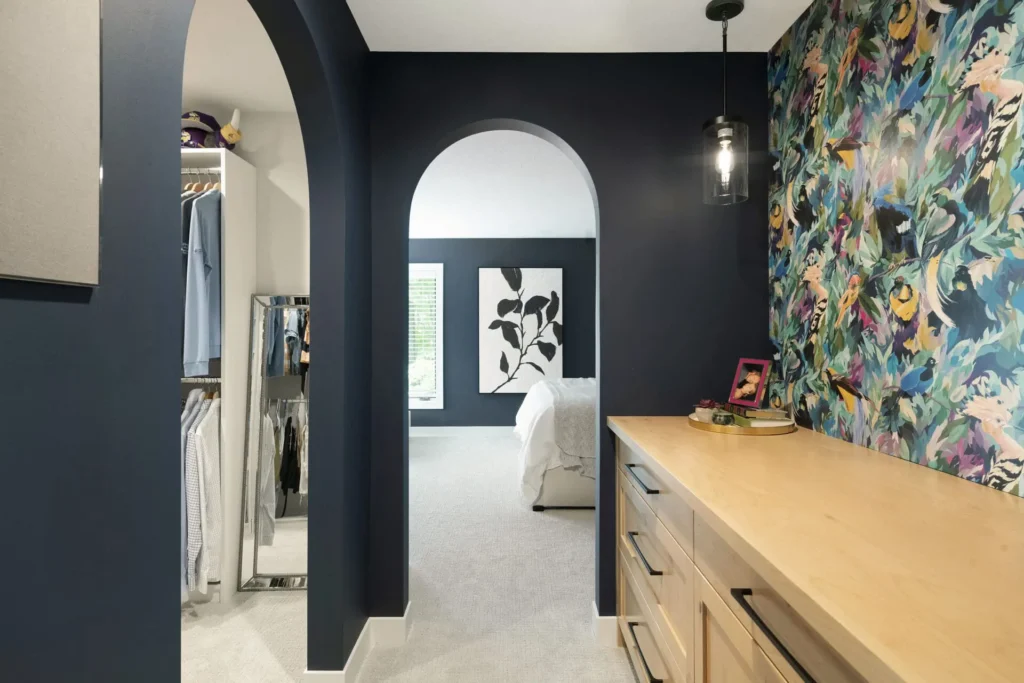
Luxury Primary Suite
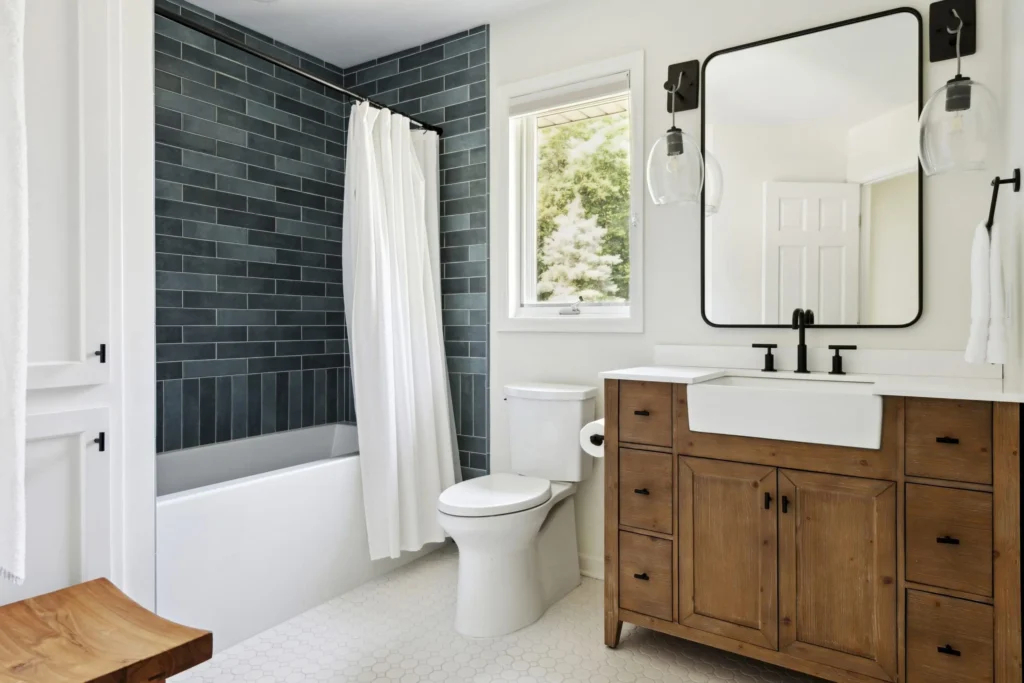
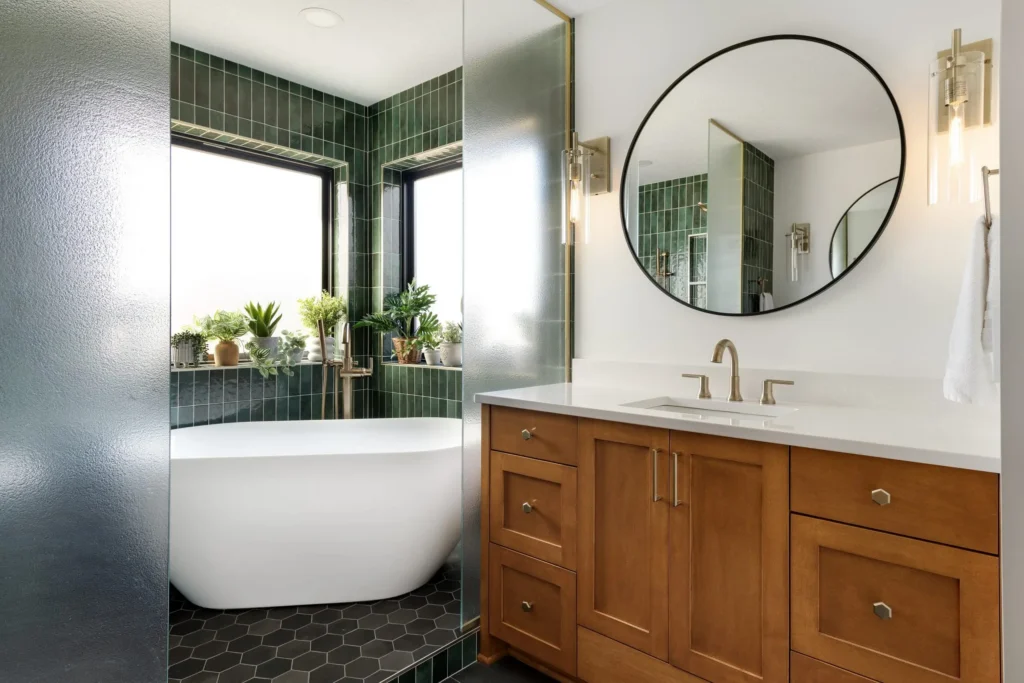
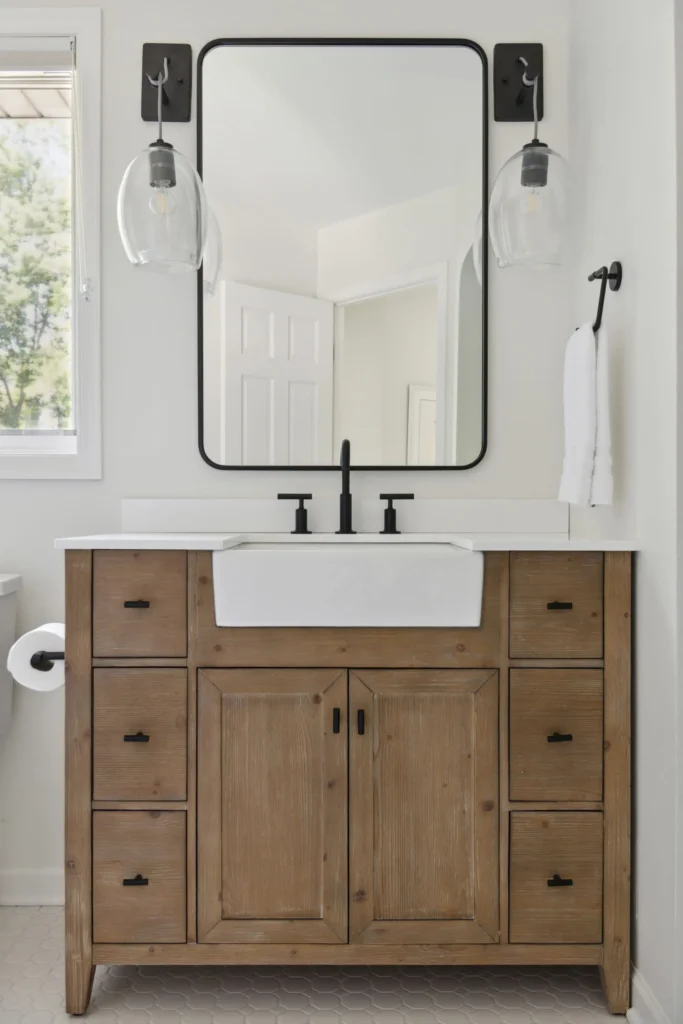
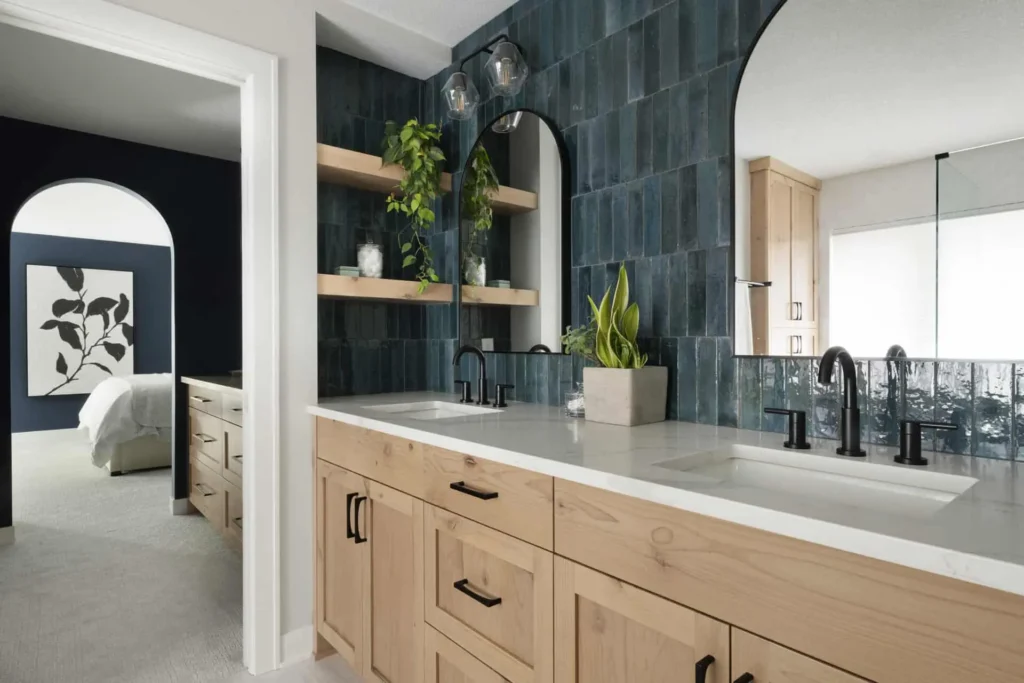
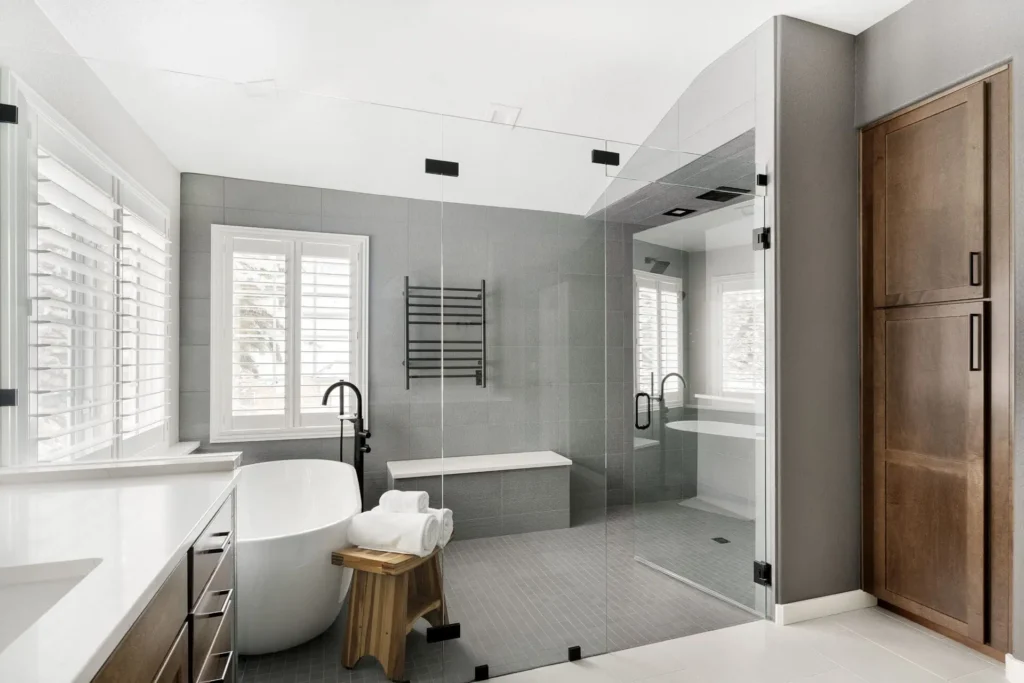
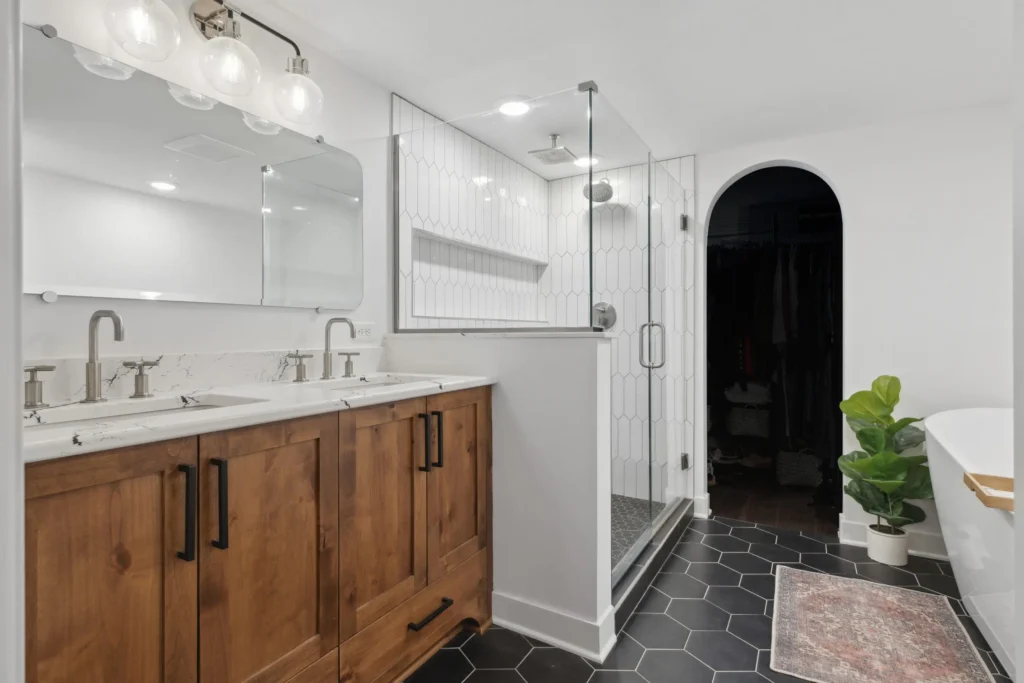
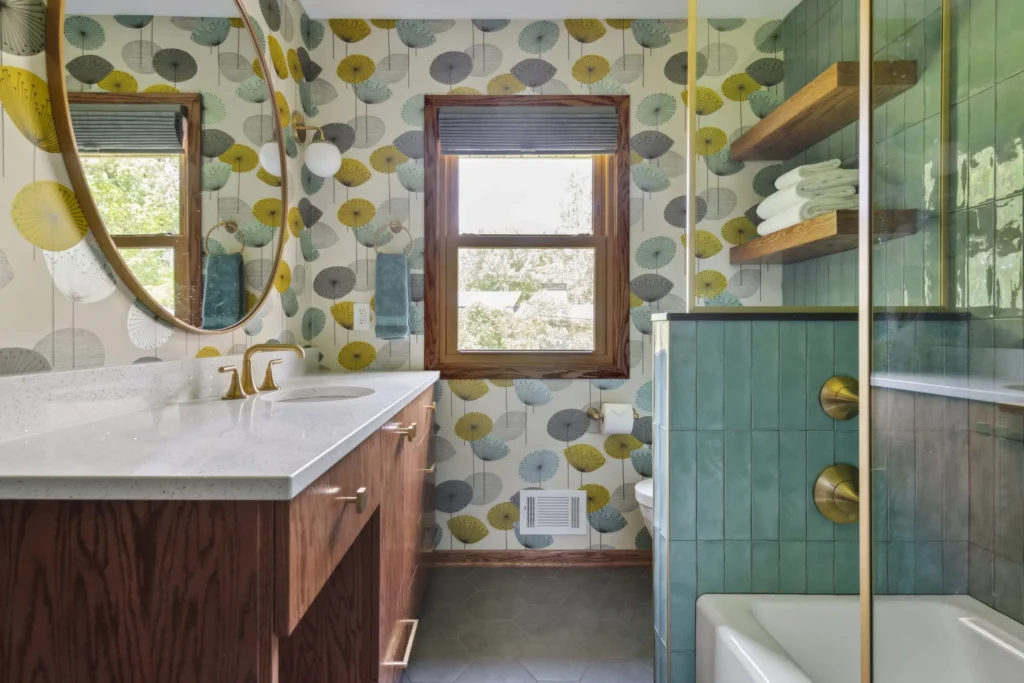
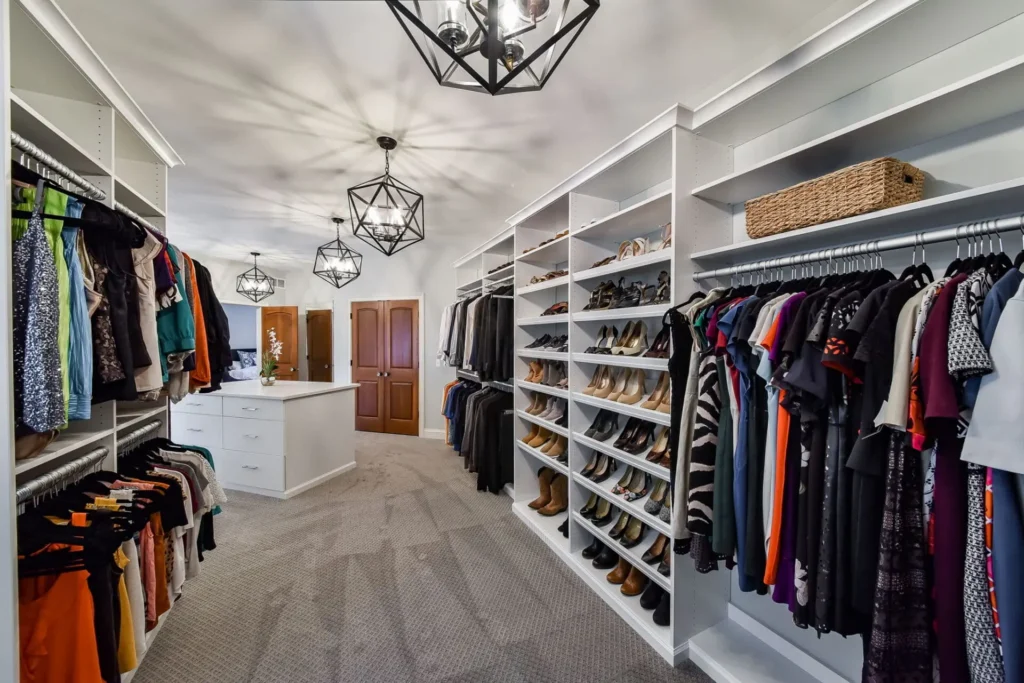
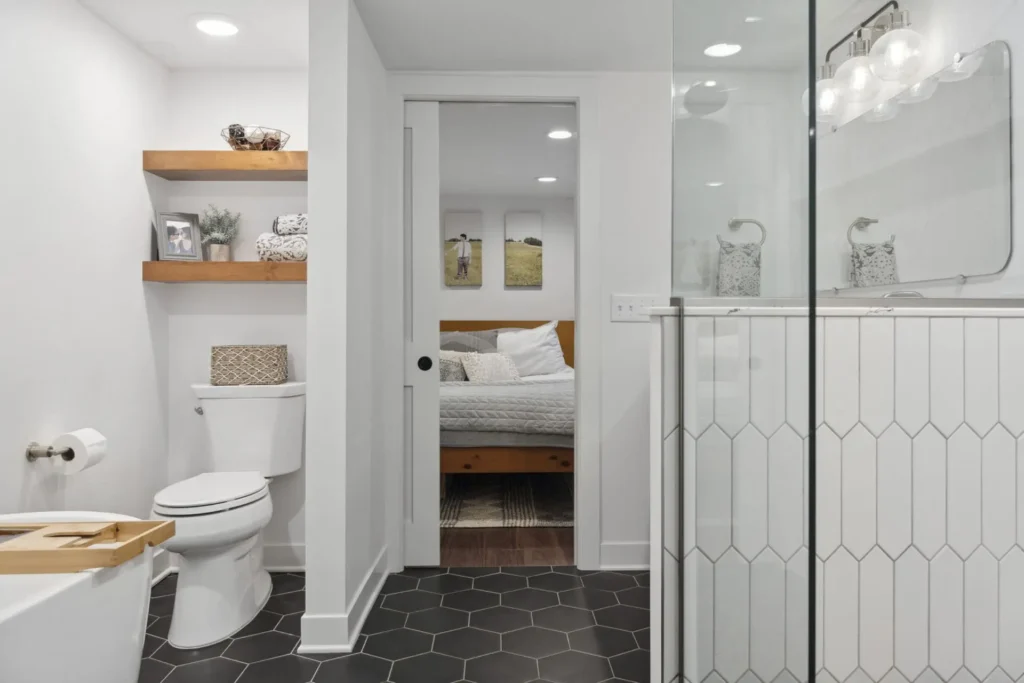
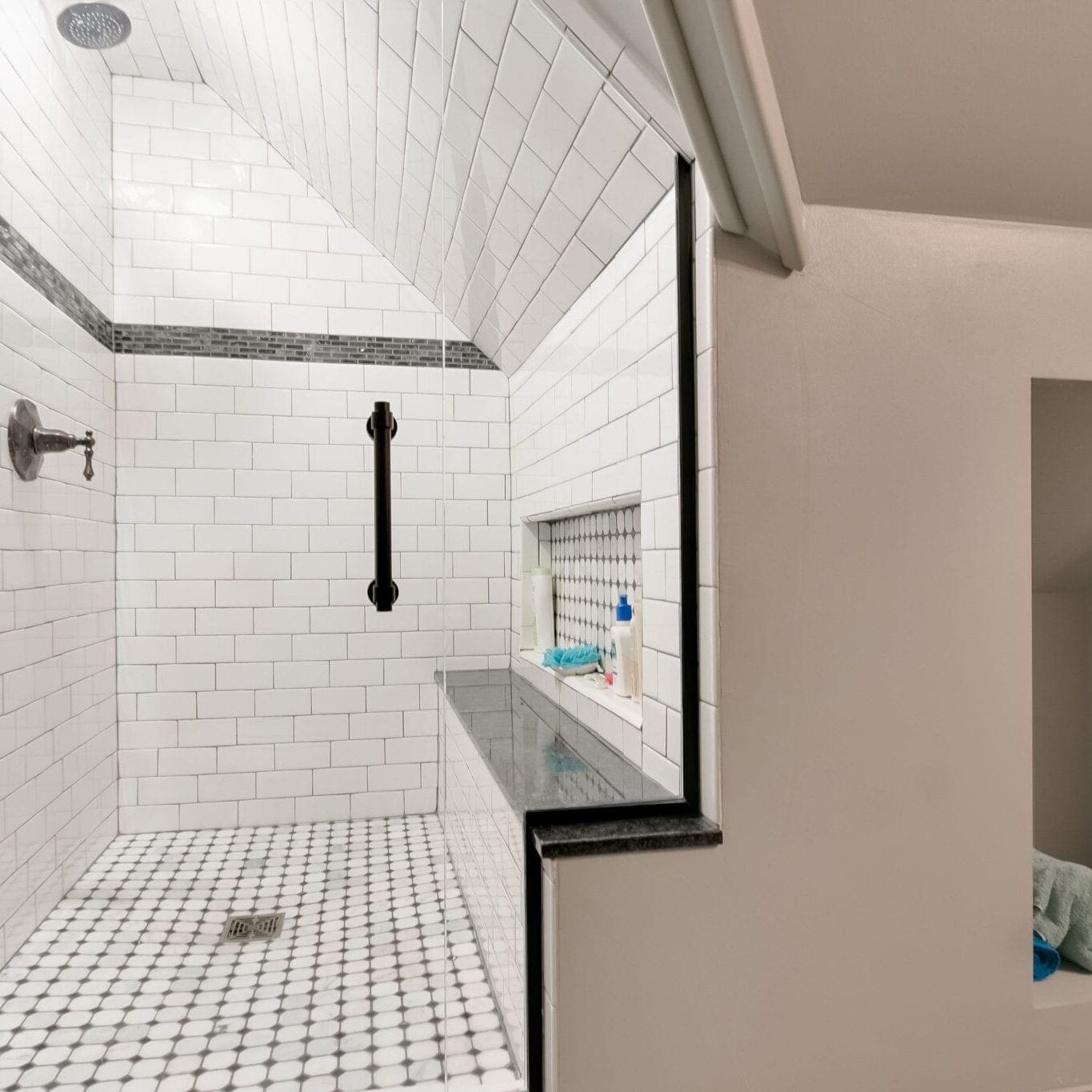
Create a secluded, spa-like retreat with a large walk-in closet, custom-tiled bathroom, and vaulted ceilings.
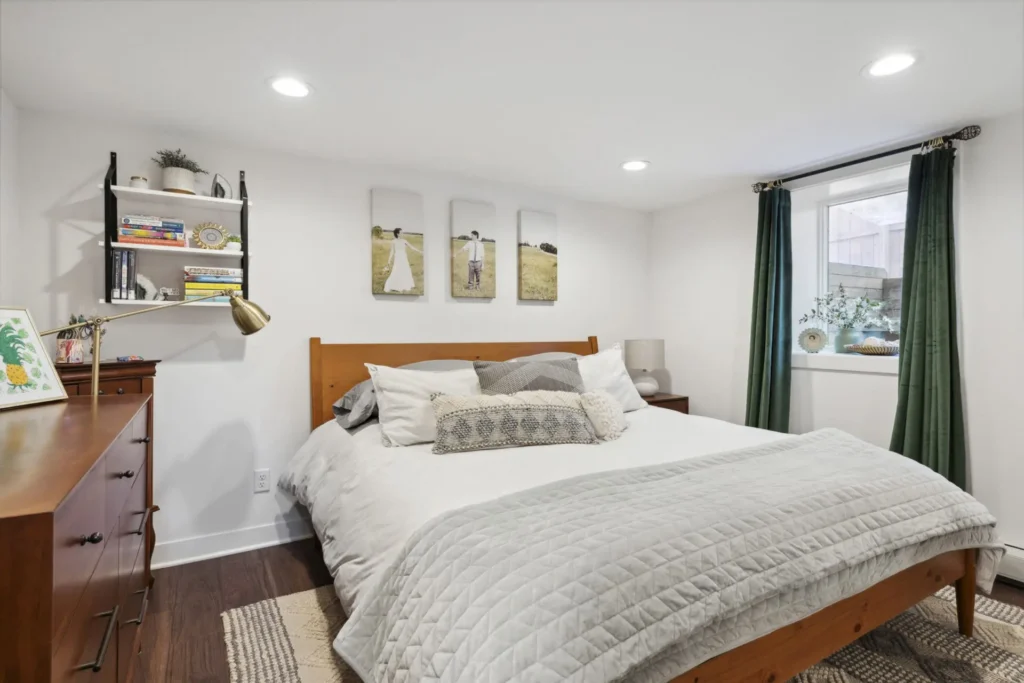
Teen or Guest Suite
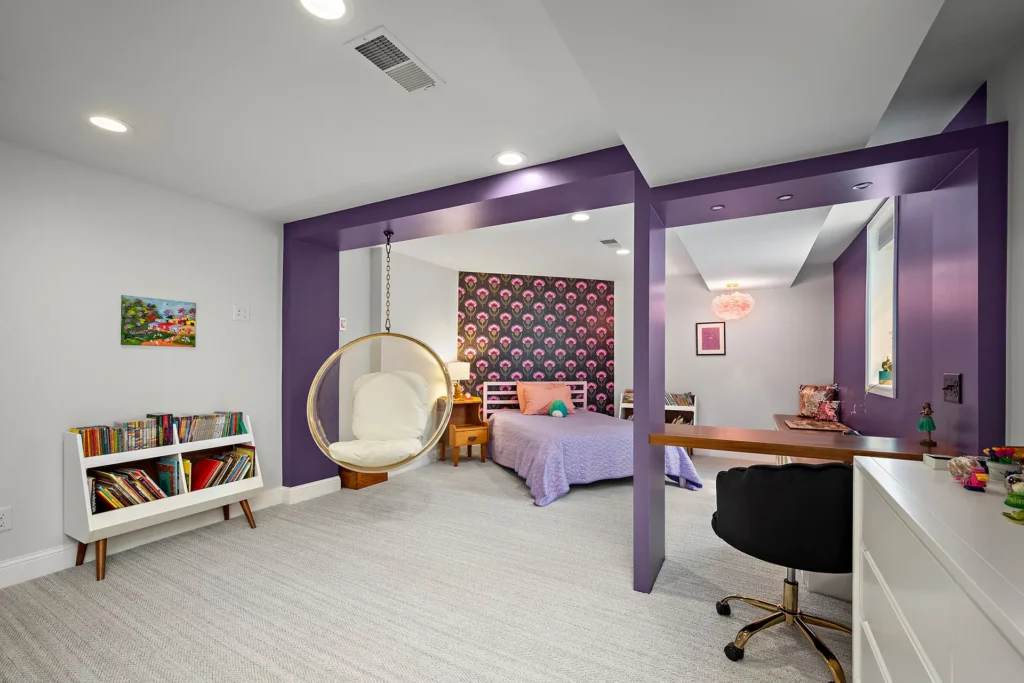
A private bedroom and bath that offers independence and privacy for guests or growing children.
Custom Home Office
A quiet, professional workspace away from the main activity of the home, complete with custom built-ins and natural light.
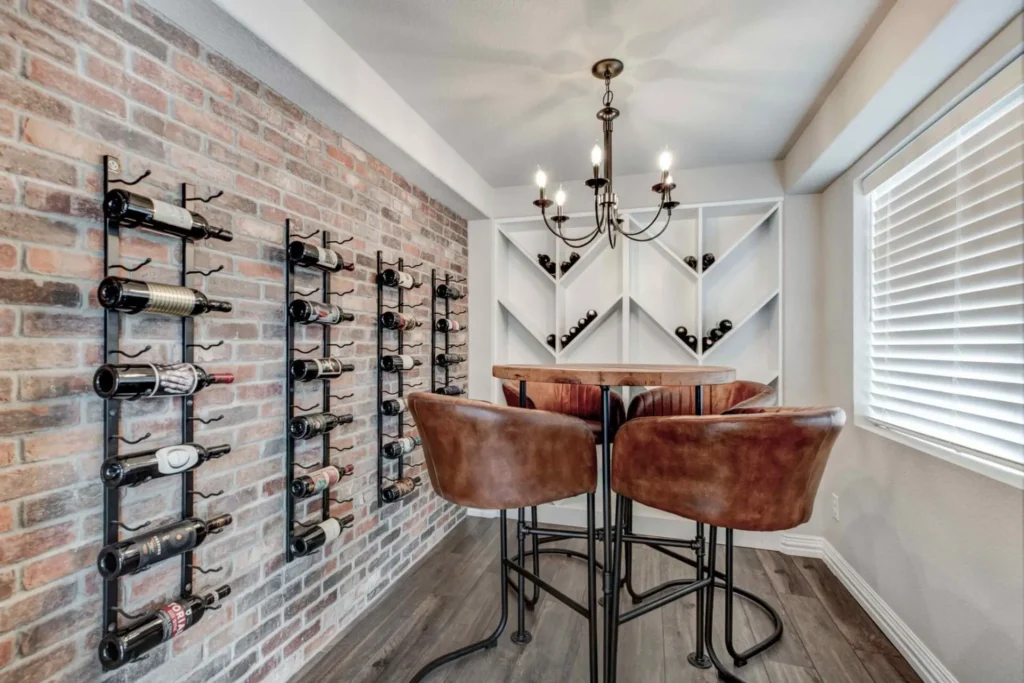
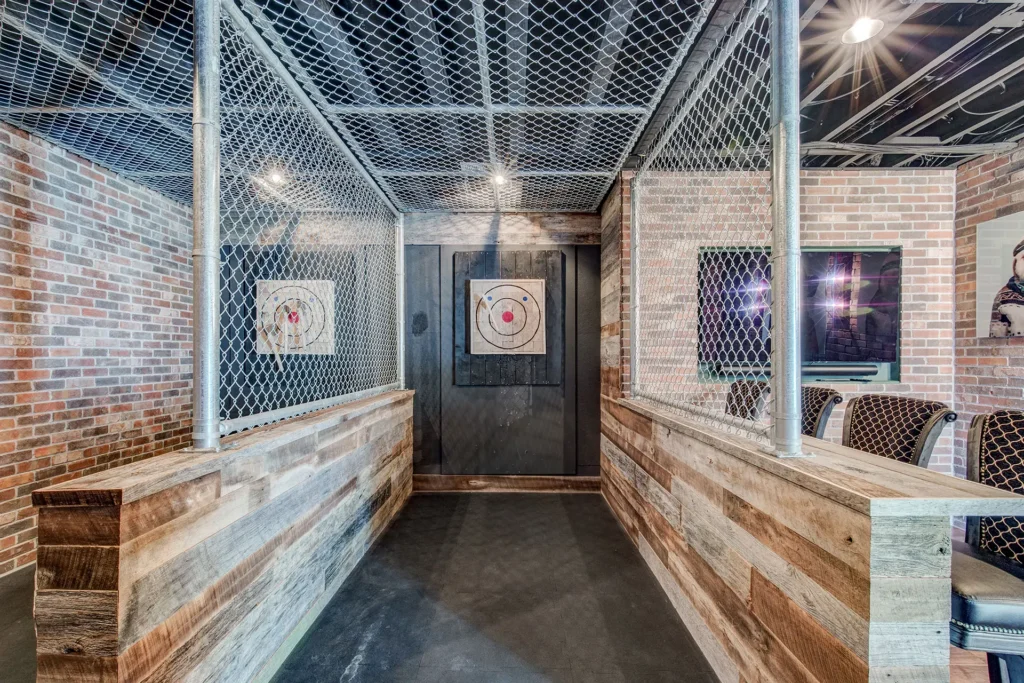
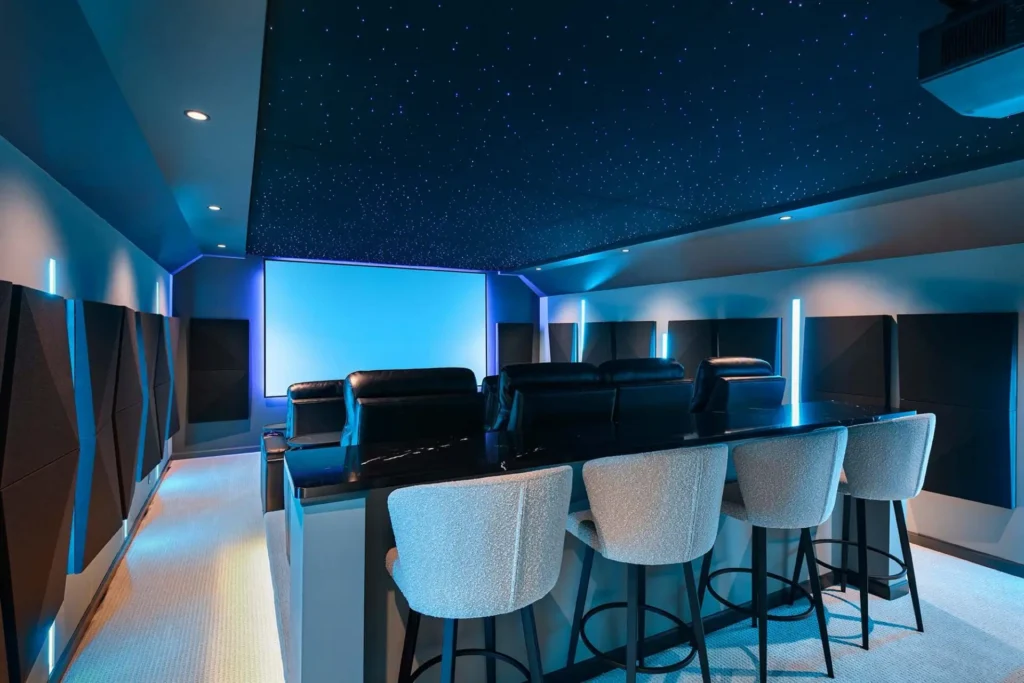
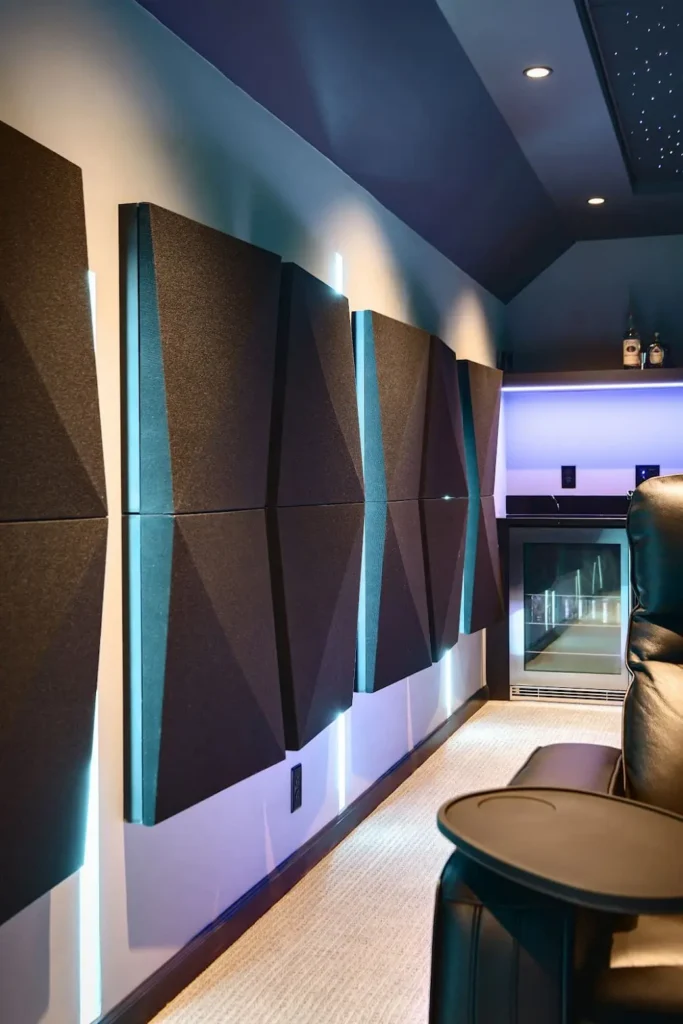
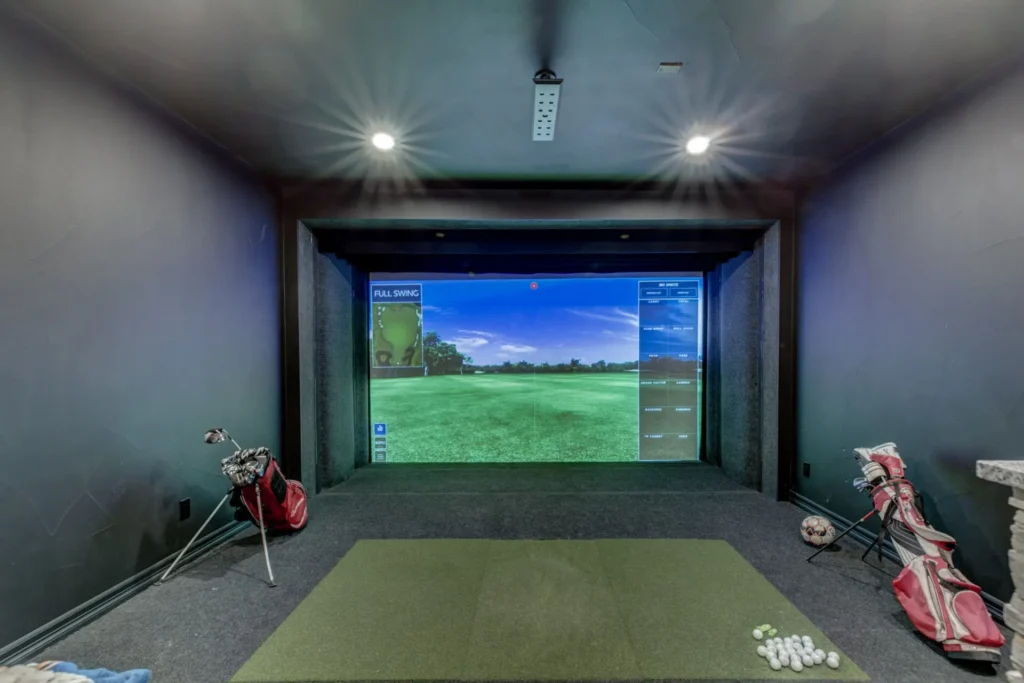
Entertainment & Bonus Room
We handle everything from basement finishing and home additions to full whole-house historic renovations.
Our Attic Conversion Process
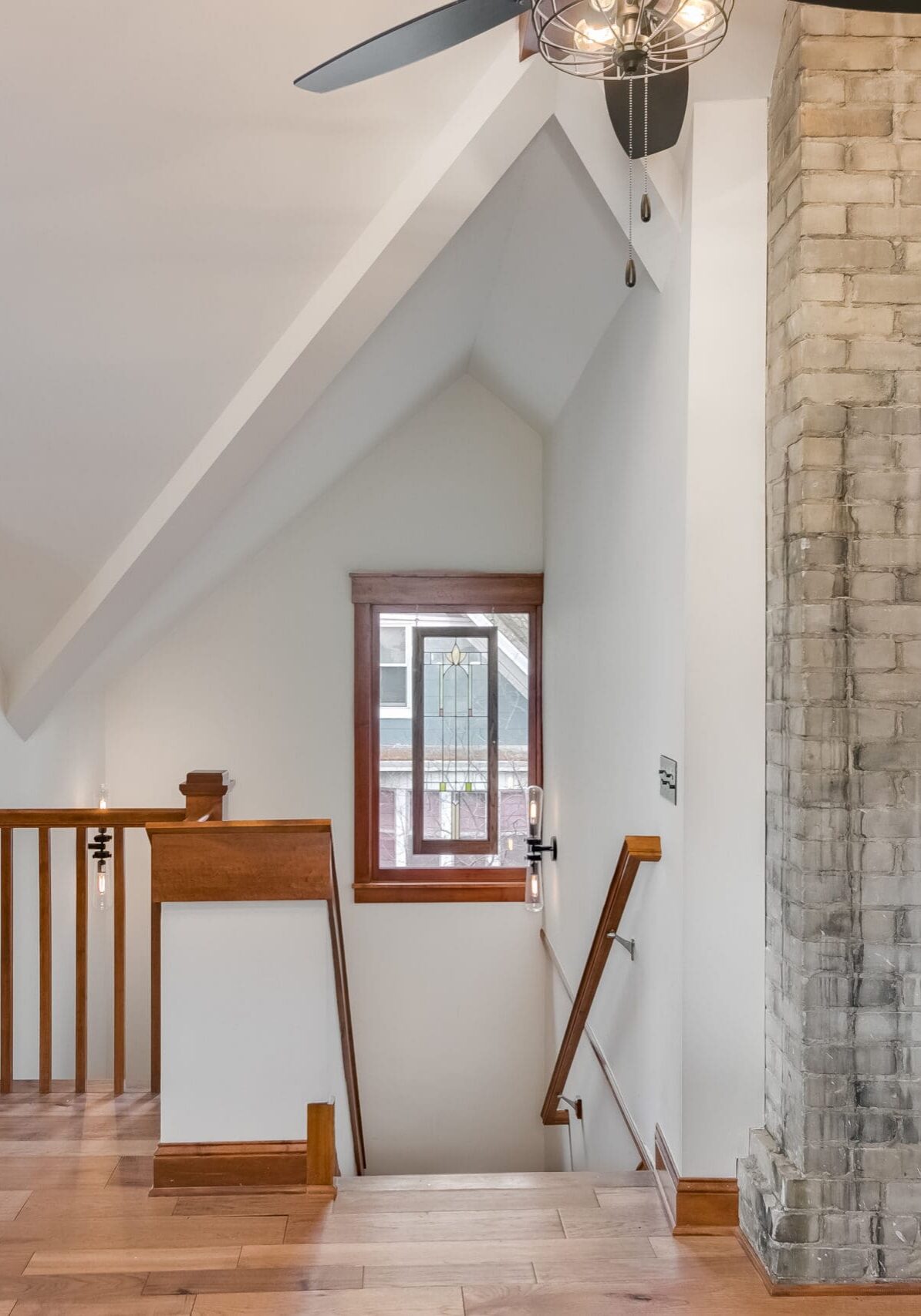
An attic conversion is a significant structural endeavor, and successful projects go far beyond aesthetics. Most homeowners aren’t initially thinking about the critical, yet often-overlooked, concerns that can derail a project or compromise safety. A primary aspect we cover is Structural and Load-Bearing Integrity; most attics aren’t built to support the weight of a finished room. FBC Remodel eliminates this risk by beginning every project with a comprehensive in-house structural engineering analysis, ensuring floors are properly reinforced for long-term safety and stability. Next, there’s the issue of Stair Access and Usability: poorly placed or non-code-compliant staircases can severely limit functionality and resale value. Our designers expertly integrate the staircase seamlessly into your existing floor plan, maximizing access and natural light while guaranteeing compliance. Finally, attics are notorious for issues with Proper HVAC, Insulation, and Comfort. We combat this by designing custom, zoned HVAC solutions and utilizing advanced insulation techniques to ensure your new space remains comfortable, energy-efficient, and usable year-round, unlike the overly hot or cold attic spaces often created by less specialized builders. By proactively addressing these complex structural, access, and comfort issues, FBC Remodel differentiates itself as the authoritative luxury expert focused on delivering a space that is beautiful, safe, and truly an integrated part of your home.
Build Joy Call
Everything starts with understanding your vision and needs. We'll ensure we're a good fit for eachother and provide information on our processes.
Feasibility Meeting
An attic conversion is a complex project, and smart homeowners often worry about more than just aesthetics. We will cover the top concerns most people overlook and demonstrate how FBC Remodel's integrated design-build process provides guaranteed solutions, ensuring your new space is safe, functional, and valuable.
In-Person Design Consult
Our Senior Designer and Project Manager will come to your home home to discuss the project in further detail, assess the existing space, and discuss what the next steps look like.
measure & develop
Our team visits your home to take detailed measurements and assess your space. We'll create custom-designed floor plans, elevations and 3D renderingss so you can visualize exactly how your new space will look and function.
Ideas Meeting
Using those 3D renderings, we'll walk through the design concept step-by-step, making sure every detail is exactly as described. This is your chance to refine, adjust, and perfect the plan before construction begins.
Experts In Designing & Building
Your Dream Addition
Expanding your living space with an addition is an exciting venture. Whether you’re craving extra room or aiming to enhance your environment, additions offer a practical solution. All additions are complex and there are several factors in pricing. When envisioning your addition, it’s good to talk to an expert designer with direct access to our builders, trade partners, project managers & foremen that can consider every detail & cost.
Frequently Asked Questions
Not all attics are structurally ready for a full conversion, and this is the most critical question to answer early. Standard attic ceiling joists are typically rated for light storage (10 lbs. per sq. ft.), not habitable living (40 lbs. per sq. ft.).
The FBC Remodel Solution: Our process starts with a detailed structural engineering analysis during the design phase. We precisely calculate the required load-bearing capacity and include the reinforcement of your floor joists, collar ties, and rafters in our scope. We guarantee your new attic space will be safe, structurally sound, and compliant with all local codes for live load requirements.
To be legally counted as habitable square footage (and qualify for a building permit), most local codes require at least 7 feet of ceiling height over a minimum of 50% of the room’s floor area. Areas under 5 feet in height are typically not counted.
The FBC Remodel Solution: If your current attic height is insufficient, our luxury design team specializes in creative solutions.
Yes. A professionally completed, custom attic conversion is consistently ranked among the top home improvement projects for Return on Investment (ROI). Unlike other renovations, it adds genuine, legal square footage and a desirable new function—often a highly sought-after bedroom or primary suite—directly impacting your appraisal value.
Our focus on luxury finishes and code compliance ensures the highest possible return. We don’t just finish a room; we create a space that looks, feels, and functions as a seamless, high-end extension of your home, thereby maximizing the price premium at resale.
Temperature control is one of the most common failures of poorly executed attic remodels. An attic sits directly under your roof, absorbing maximum heat and cold. We employ a multi-layered, energy-efficient design that goes far beyond standard insulation:
- High-Performance Insulation: We utilize advanced materials perfect for all scenarios, which provides a superior thermal barrier and exceptional air sealing.
- Dedicated HVAC Zoning: We integrate custom HVAC solutions—often a high-efficiency mini-split system—specifically sized and zoned for the attic, ensuring consistent, independent climate control year-round.
Most clients stay in their homes during the home extension project, though you’ll need to plan for some limited access during construction. Most importantly, we’ll provide a detailed schedule so you can prepare and make temporary arrangements for your daily routine (like meals).
Yes, absolutely. Any project that involves adding square footage, altering the structure of your home, or changing plumbing/electrical/HVAC systems requires permits from your local municipality.
FBC Remodel handles all of it. We provide full-service project management, meaning we handle every detail from design to final inspection. Our in-house team prepares and submits all necessary architectural drawings, manages the permitting process, and ensures every step of the construction meets or exceeds local building codes, guaranteeing a fully legal and insurable living space.
That’s exactly why we use 3D renderings and have detailed Ideas Meetings. We want you to see everything clearly and make any changes before construction starts, so there are no surprises or regrets later.
The timeline for a home addition depends heavily on its size and complexity (a second-story addition takes longer than a garage bump-out). However, we break it down into two main phases:
- Design & Pre-Construction (Typical: 2-4 Months): This includes initial consultation, architectural drawings, material selections, engineering, final design approval, and permit acquisition. This stage is crucial for a smooth build.
- Construction (Typical: 3-8+ Months): This is the physical build, which starts with the foundation and ends with the final paint touch-ups.
Your project manager will provide a detailed, phase-by-phase schedule before we break ground, and we use a project management system to keep you updated on progress and milestones.